17 Best Accountability Apps for Work, Fitness, Habits (2026)
A roundup of the best accountability apps that offer everything from human-powered check-ins to distraction blockers to gamified streak systems
Every January, you convince yourself that this time will be different. You feel wildly productive for about 72 hours: setting ambitious goals, downloading apps, and even reorganizing your desk for "efficiency".
Then a late night or meeting-heavy day happens. A “quick” Instagram scroll turns into 40 minutes of screentime, and then you skip the workout so you can catch up on work. Even budgets get adjusted. And because no one’s really keeping track except us, it’s easy to loosen the standards quietly.
That’s the uncomfortable truth about most goals: they don’t fail because you’re incapable. They fail because there’s no real accountability. No consequence or external pressure nudging us when motivation dips.
Accountability changes behavior. When someone expects proof, when money is on the line, when your progress is public, when distractions are physically blocked, or when a streak is about to reset — you make better decisions.
The good news? You don’t have to manufacture that pressure yourself. There are accountability apps designed specifically to do it for you.
In this guide, we’ve rounded up the 17 best personal accountability apps for work, fitness, focus, money, and habit-building in 2026, from human-powered check-ins to hardcore distraction blockers to gamified streak systems. Whatever your weakness, there’s a structure here that can make consistency less about willpower and more about design.
Why Use Accountability Apps
17 Best Accountability Apps
App for Human Accountability
Apps for Business and Teams
Apps to Block Distractions
Apps for Fitness Accountability
Apps for Financial Accountability
Apps for Deep Work and Focus (ADHD Friendly)
Apps for Habit Tracking
Comparison of Best Apps
Final Thoughts
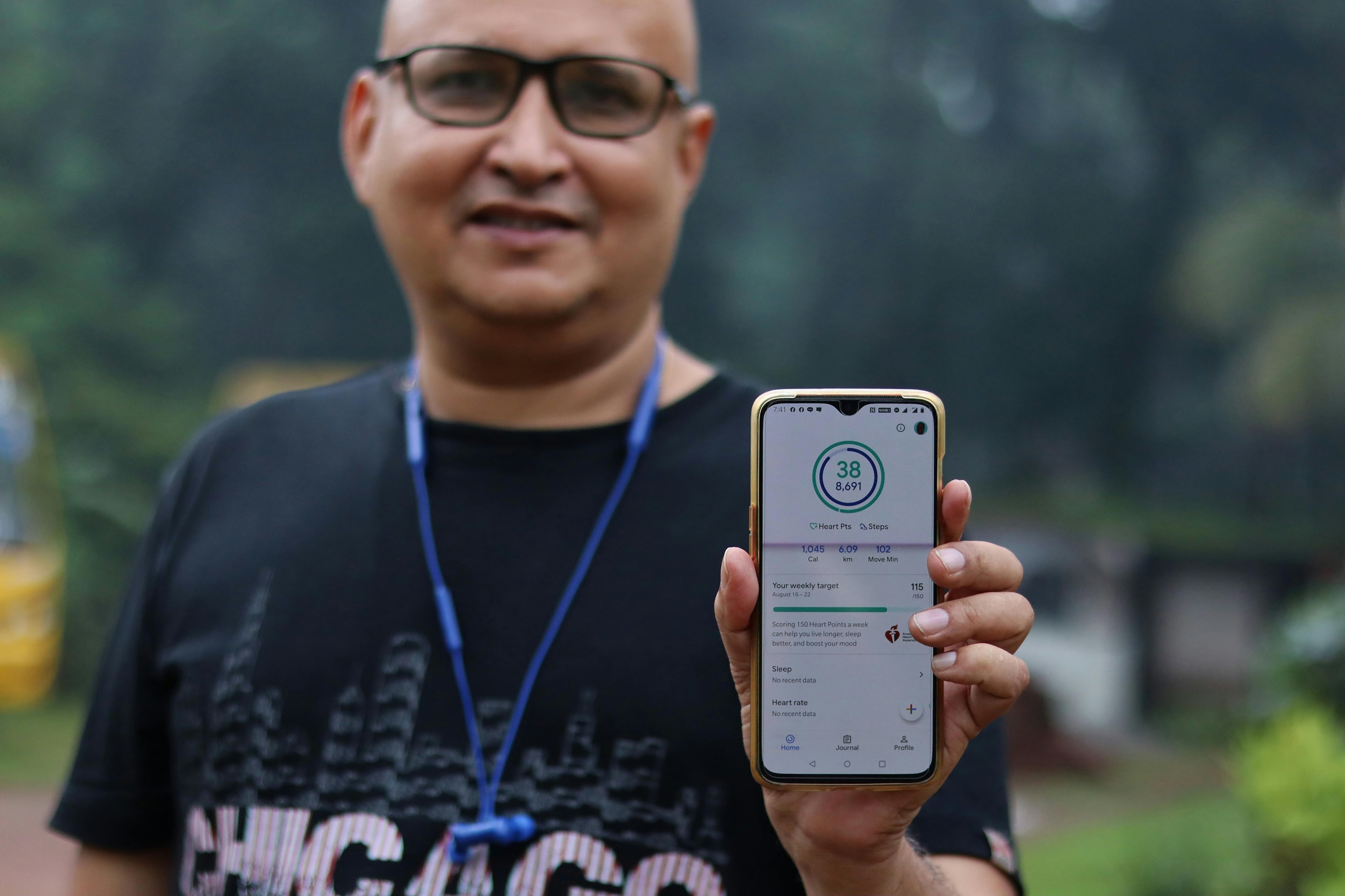
Why You Need to Use Accountability Apps
We like to believe success is about discipline. That if we just tried harder, wanted it more, woke up earlier, pushed ourselves a little further, everything would click. But if willpower were the real solution, you wouldn’t need another productivity article. You’d already be done.
The pattern is familiar. You start strong with a new habit, routine, or plan. You feel focused, organized, maybe even a little unstoppable. Then a few long days hit. Energy dips, and stress creeps in. One skipped workout turns into three, and the gaps between writing sessions grow longer. And because no one is really watching except you, it becomes easy to renegotiate, delay or abandon the goal.
That is the real problem: willpower fluctuates. It rises when motivation is high and disappears when life gets noisy. Relying on it for the long term is like budgeting with your most optimistic income estimate and ignoring your actual expenses. Eventually, the math stops working.
Accountability changes that math. Instead of trying to “be more disciplined,” you can design systems that make discipline easier. Accountability apps outsource the pressure, automate reminders, block distractions, and attach consequences.
Three Types of Accountability to Seek
Self-This is you versus you. Habit trackers, streak counters, and timers turn intentions into visible data, relying on your internal standards to keep the momentum going.
Peer-This adds social visibility. Leaderboards, shared dashboards, or study sessions make your effort public, so showing up feels less optional.
Boss-This is structured oversight with real stakes. Whether it’s money on the line or someone verifying proof, consequences replace negotiation.
Just like there are different accountability types, there are also different accountability apps. And not all goals require the same tool. A simple focus timer, in its free version, might help you start a task, but it will not get you out of bed for a 6 AM workout. A fitness tracker might log your miles, but it will not force you to write a book. A budgeting spreadsheet might show you the numbers in detailed reports, but it will not stop impulse spending on its own.
That is why this list is less about finding one perfect app and more about choosing the best accountability software for the outcome you care about. When the structure matches the goal, consistency stops feeling like a personality trait and starts feeling like a system.
Top Favorite Apps For Accountability (By Category)
Category 1: Human-Powered Accountability
Boss as a Service
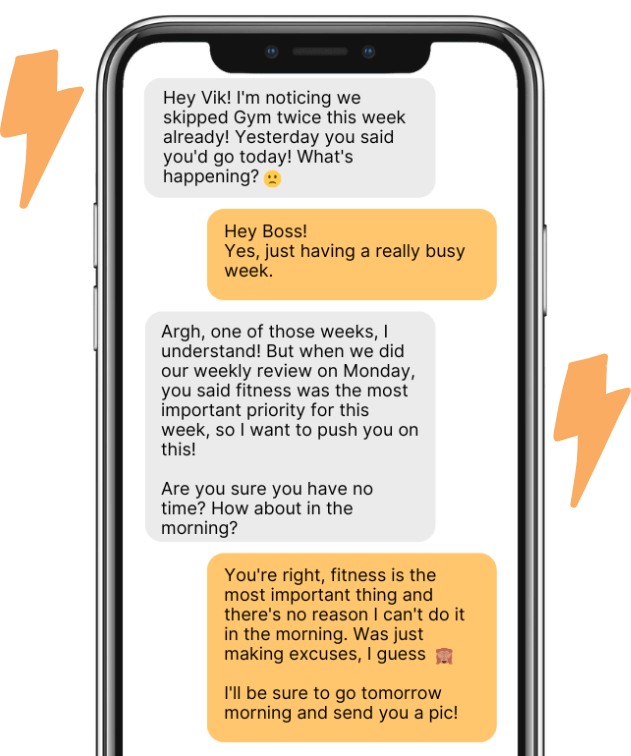
Boss as a Service is exactly what it sounds like: a real person who keeps you accountable: consistently, persistently, and without shame.
Best For: People who ignore notifications but can’t ignore a real person.
How It Works: Sign up and meet your boss. Commit to specific, measurable tasks and send proof when they are done. If you don’t? We follow up, without judgment or shaming. We just won't let you simply disappear.
Whether you want supportive check-ins (“You’ve got this, just start small.”) or structured pressure (“Deadline is 6 PM. I’ll be waiting.”) we match your style.
Key Differentiator: Apps are easy to mute. A real person is harder to ghost. It’s social accountability, or the psychological reality that you show up more consistently when another human expects you to, which makes the goals stick.
Category 2: For Business and Team Accountability
Tability
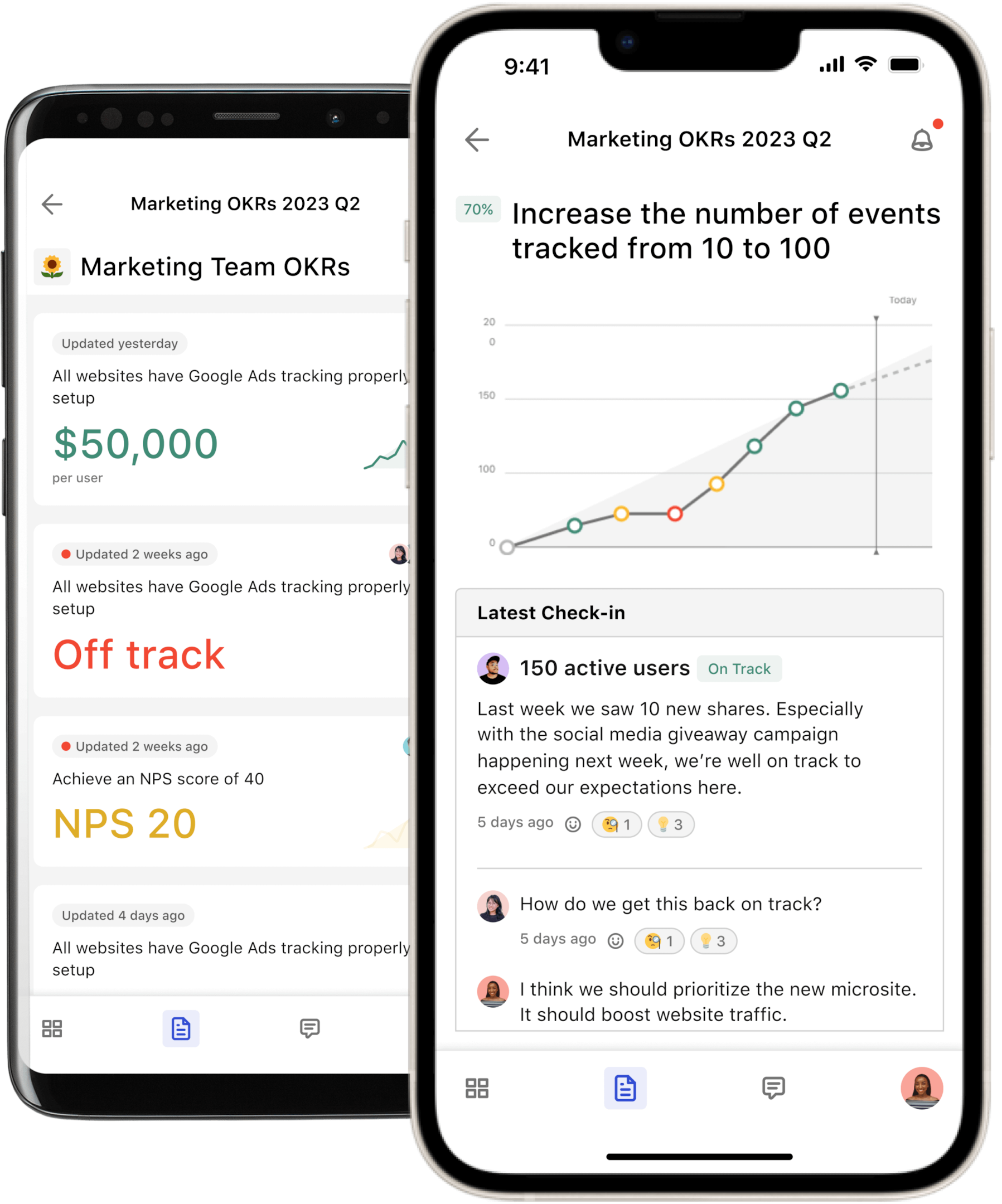
Tability is a structured goal-tracking platform built around OKRs (Objectives and Key Results) that helps teams and individuals turn big goals into measurable weekly progress.
Best For: Founders, managers, and teams who want structured, trackable goals, rather than vague to-do lists.
How It Works: You set clear objectives with measurable key results. Each week, you check in with progress updates, confidence ratings, and blockers. Tability sends reminders (over email or Slack), tracks trends over time, and displays progress in clean dashboards so nothing slips through the cracks.
Key Differentiator: It builds accountability into a weekly rhythm. Instead of “set and forget” goals, Tability forces regular reflection, visibility, and measurable follow-through.
Asana
Asana is a work and task management platform that helps individuals and teams organize, track, and complete projects in one central place.
Best For: People and teams who want structured task organization, clear deadlines, and visual workflows, especially across multiple projects.
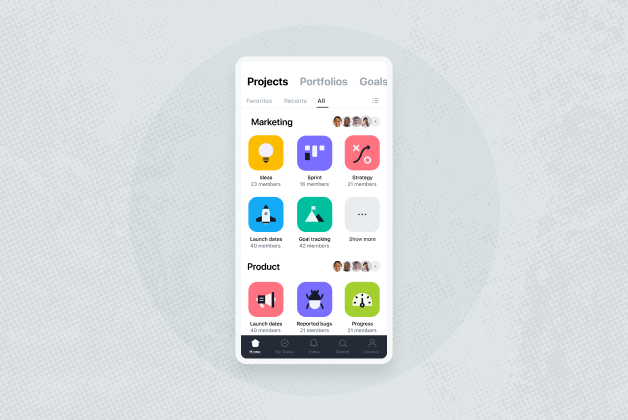
How It Works: You create projects and add tasks within them. You can assign the tasks to yourself or teammates, and add due dates, descriptions, and subtasks. You can view entire projects as lists, kanban boards, calendars, or timelines. You can comment, attach files, and track progress in real time. Integrations with Slack, Microsoft Teams, email, and calendars ensure tasks show up where you already work.
Key Differentiator: Asana combines flexible project views with built-in collaboration and automation rules, turning scattered tasks into a clear, shared system that keeps everyone accountable.
Category 3: For Hardcore Distraction Blocking
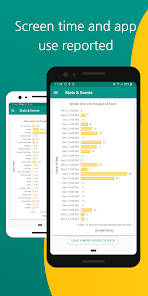
Truple
Truple is an accountability monitoring app that uses random screenshots and activity tracking to verify what’s happening on your devices in real time.
Best For: People who struggle with online distractions or the urge to check instant alerts and want strong, external accountability rather than self-control alone.
How It Works: You install Truple on your devices. It takes periodic, randomly timed screenshots and logs activity. Reports are securely sent to your chosen accountability partner.
Key Differentiator: Truple doesn’t rely on willpower or self-reporting, but creates transparent digital accountability, making it much harder to hide habits you’re trying to change.
Opal
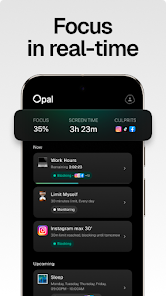
Opal is a device-level focus and habit support app that blocks distracting apps and sites while also offering mindful coaching features to help you build better digital habits.
Best For: People who want focused support that goes beyond simple blocking and includes thoughtful prompts and habit reinforcement.
How It Works: You install Opal on your devices and choose what to block and when. You can start scheduled focus sessions, set daily limits, or use “Focus Mode” to pause distracting apps. Opal also provides nudges, mindful reminders, and habit insights to help you understand and reduce digital distraction over time.
Key Differentiator: Opal pairs distraction blocking with behavior support and habit awareness, not just restrictions, so it feels less punitive and more growth-oriented.
Category 4: For Fitness
Strava
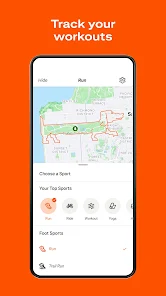
Strava is a social fitness tracking app that records your workouts, routes, and performance metrics while connecting you with a community of athletes.
Best For: People who need social motivation and accountability to stay consistent with running, cycling, walking, or other GPS-tracked activities.
How It Works: You use Strava to log workouts using your phone or a connected device (like a GPS watch). It tracks distance, pace, elevation, and splits. After each activity, you share your results with your followers, join challenges, and compare times on specific segments. Friends can give “kudos” and comment, making your progress social.
Key Differentiator: Strava turns workouts into a shared experience with instant notifications about progress, public metrics, leaderboards, and challenges that drive consistency and accountability through community, not just self-tracking.
StepBet
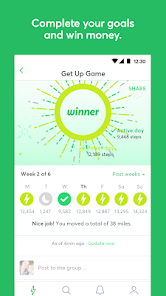
StepBet is a commitment game where you bet real money on yourself to hit step-count goals over a set period.
Best For: People who need financial stakes and community support to stay consistent with walking or daily activity goals.
How It Works: You join a game and put money into the pot. StepBet sets personalized weekly step goals based on your baseline activity. Each week you submit your steps via a connected tracker (like Fitbit or Apple Health). Hit your goals, you stay in the game. Miss them, and you forfeit your bet.
Key Differentiator: You agree to a commitment contract, where you have real money on the line and a shared pot with other players. Because you stand to lose cash if you don’t follow through, the incentive to show up every day is much stronger than just tracking steps.
MyFitnessPal
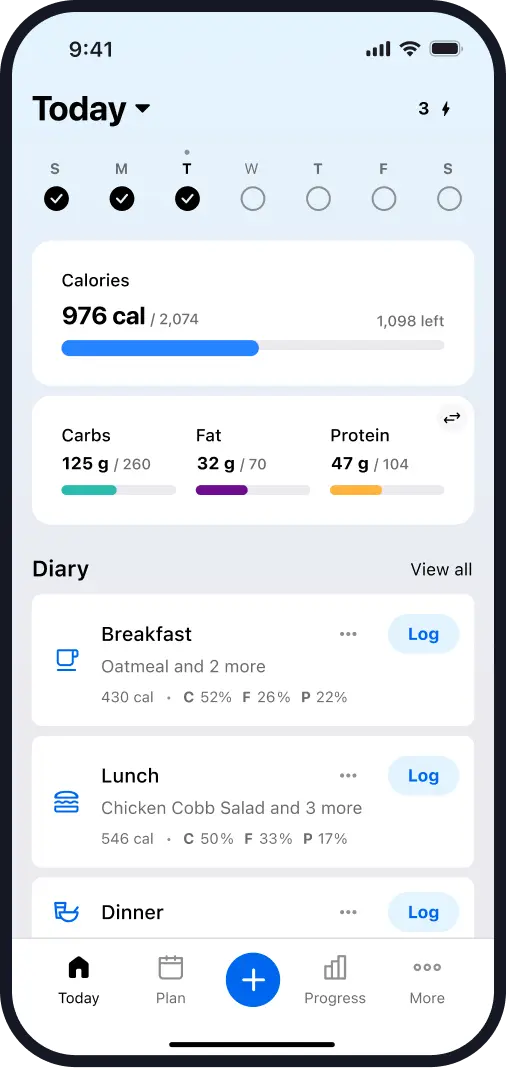
MyFitnessPal is a nutrition and calorie tracking app that helps you log food, monitor macronutrients, and track your diet alongside exercise.
Best For: People who want accountability around eating habits, weight goals, or nutrition awareness rather than guessing what they’re consuming.
How It Works: You log meals and snacks using a huge food database or by scanning barcodes. The app calculates calories, macros, and nutrients. You can set goals (lose weight, gain weight, maintain, etc.) and track progress over time. It also syncs with many fitness trackers to include exercise calories in your daily totals.
Key Differentiator: Its database is massive and easy to use, making food logging simple and consistent. By tracking what you actually eat, you get clear, data-based accountability rather than vague intentions.
If you are specifically looking for workout motivation, check out our deep dive on The Best Workout Accountability Apps
Category 5: For Financial Discipline
YNAB (You Need A Budget)
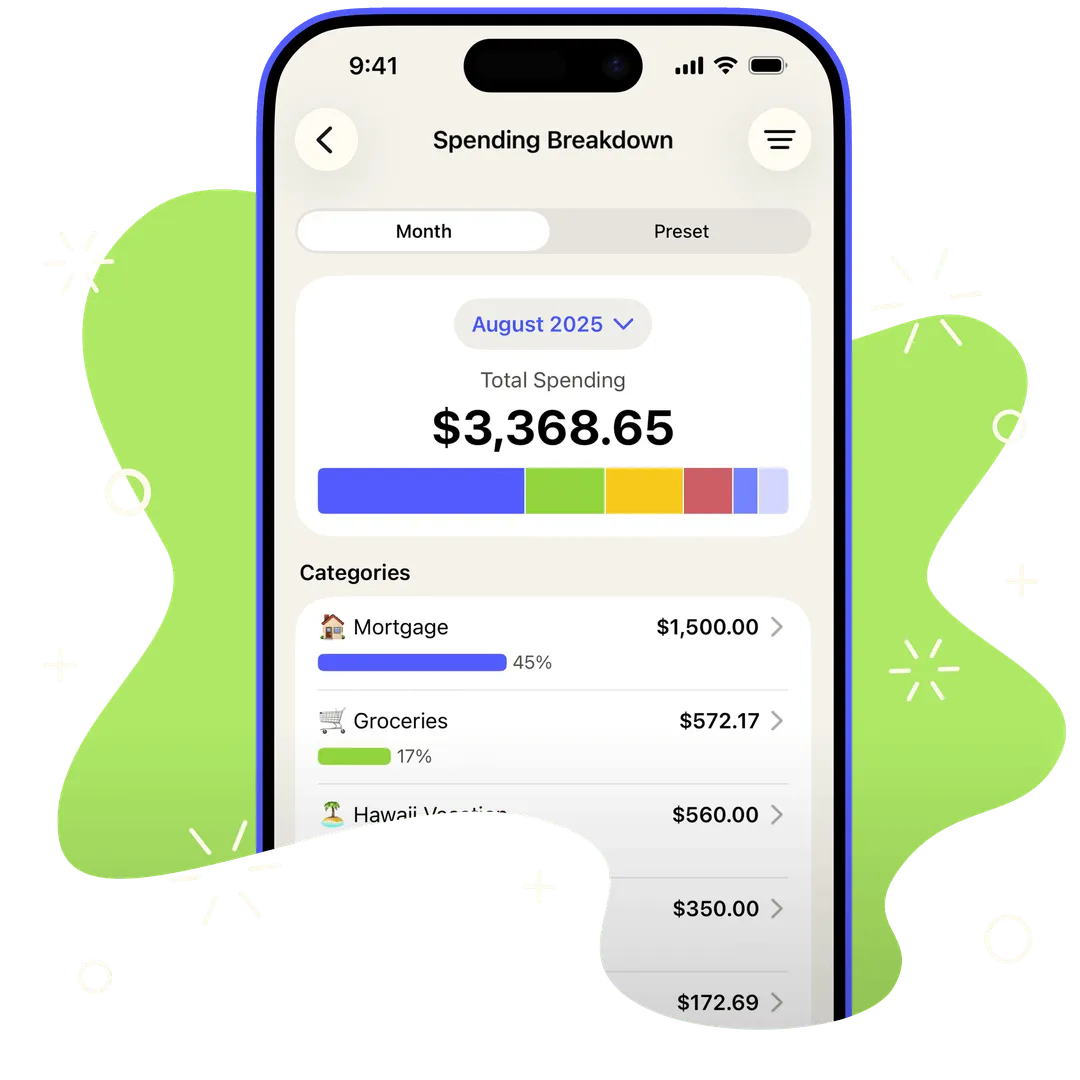
YNAB is a budgeting and money-management app that helps you take control of your finances by assigning every dollar a job and tracking your spending against real goals.
Best For: People who struggle with impulse spending, unclear budgets, or “mystery money” and need structured financial accountability.
How It Works: You connect your bank accounts or enter transactions manually, then allocate every dollar to a category (rent, groceries, savings, fun, etc.). YNAB’s system encourages planning ahead, rolling with changes, and reviewing spending regularly. Weekly check-ins and monthly reports help you see where your money actually goes.
Key Differentiator: YNAB doesn’t just track spending, but forces you to plan and assign every dollar in advance. That proactive approach creates real accountability around choices rather than post-facto summaries of what happened.
StickK
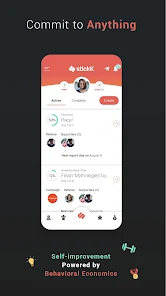
StickK is a goal-commitment platform where you set a target to complete tasks, put real money or stakes on the line, and choose accountability partners to keep you honest.
Best For: People who need external consequences and social accountability to actually follow through on goals like quitting a habit, working out consistently, reading daily, or saving money.
How It Works: You create a clear goal, choose a deadline, and select what you’ll put at stake — cash, charity donations, or anti-charity (money goes somewhere you don’t want). You can add a referee (someone who verifies proof) and supporters who cheer you on. If you hit your goal, you keep your stakes. If you don’t, your money goes to the option you chose.
Key Differentiator: It combines real-money consequences with social pressure to stay accountable.
Beeminder
Beeminder is a goal-tracking tool that pairs your goals with real money at stake and continuous progress tracking so you stay honest about your commitments.
Best For: People who need clear, measurable targets and real consequences when they fall off track, especially for habits that are easy to postpone.
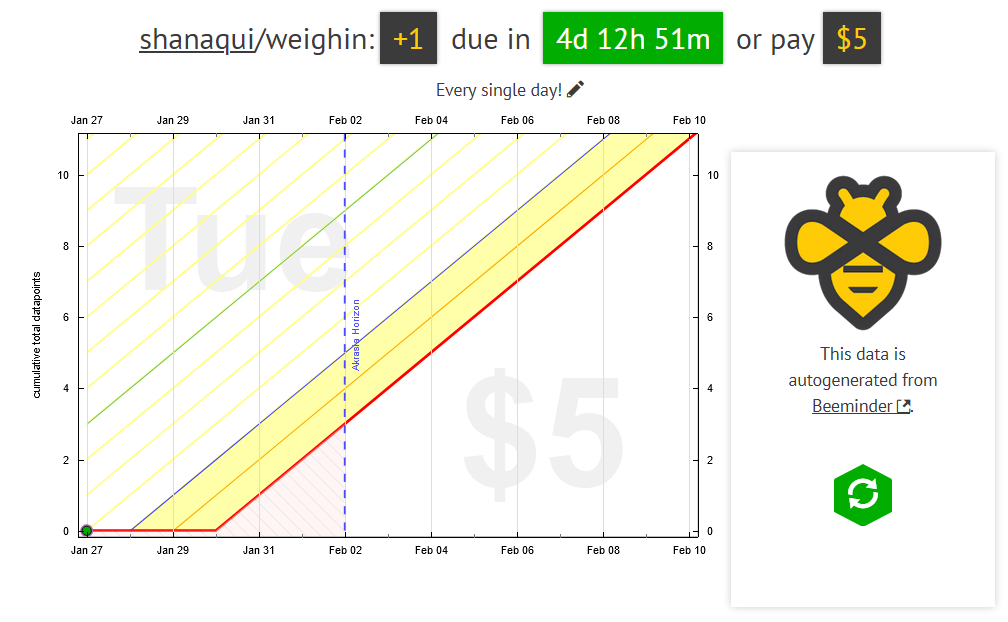
How It Works: You set a goal with a measurable metric (steps, hours studied, words written, expenses, etc.) and a deadline. Beeminder plots a “yellow brick road” of required progress. You connect trackers (Fitbit, Todoist, spreadsheets and manual entry) and update regularly. If your progress veers off the road, you pay a penalty (your pledged money). Keep going and you stay in the game; fall off and money is charged automatically.
Key Differentiator: Beeminder automates the cost of failure while giving a visual commitment curve. You see exactly how far you can slip before it costs you.
Category 6: for Deep Work and Focus (ADHD Friendly)
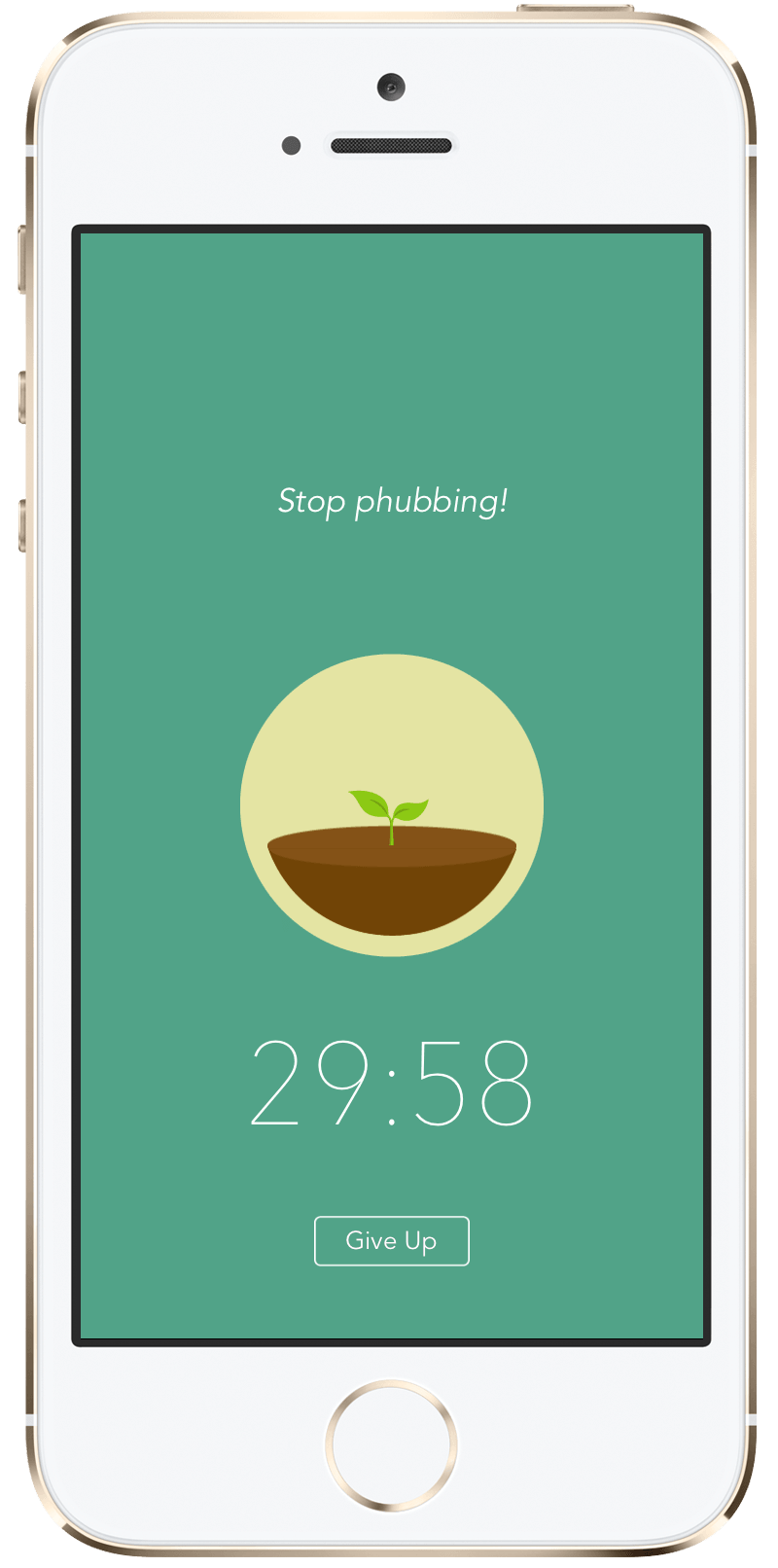
Forest
Forest is a focus app that helps you stay present by growing a virtual tree while you work and killing it if you leave the session.
Best For: People who get distracted by their phones or other devices and want a game-like way to stay motivated in short bursts.
How It Works: You set a focus timer and plant a seed in the app. As you work distraction-free, the seed grows into a tree. If you leave the app to check social media or other distractions, the tree dies. Over time, your forest fills with the trees you’ve successfully grown, visually representing your focused time.
Key Differentiator: Forest turns focus into a visual, gameable experience. Instead of abstract time tracking, you grow a forest. And losing a tree (by leaving your session) creates a small, instant consequence that nudges you to stay on task.
Focusmate
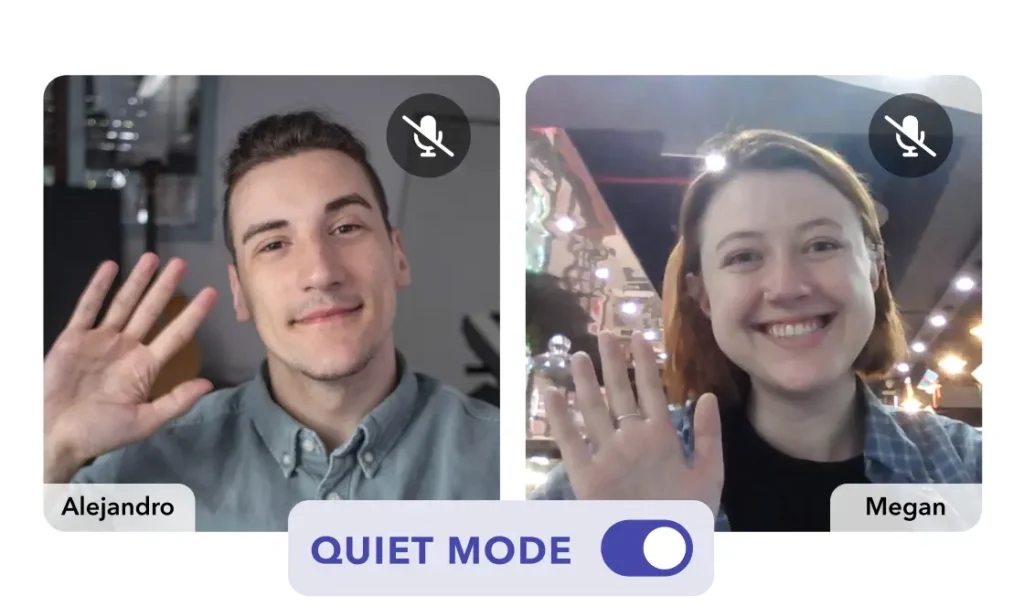
Focusmate is a live virtual coworking platform where you work alongside another person in real time to boost focus and accountability.
Best For: People who struggle to start tasks or stay on them when working alone and need the presence of another person to stay committed.
How It Works: You schedule a session and join a video call with a real partner. At the start, you state your goal for that session. Then you work silently for a set time while both sides stay on camera. At the end, you report back on what you accomplished. The accountability comes from the fact that someone else is watching you work and expecting results.
Key Differentiator: Instead of reminders or timers, Focusmate uses real-time social accountability. You don’t have to perform for your partner, but knowing someone else is there makes you far more likely to follow through.
Freedom
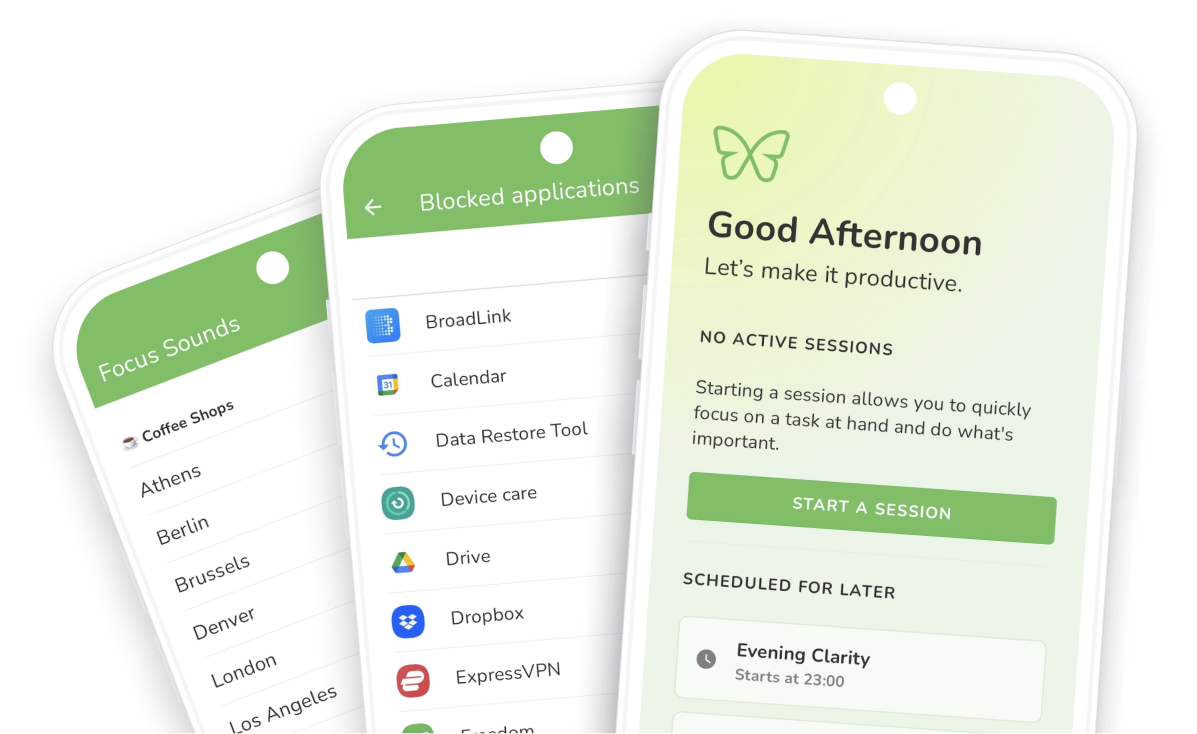
Freedom is a screen monitoring app that lets you block websites, apps, or the entire internet across your devices for scheduled focus periods.
Best For: People who get pulled into social media, news, or mindless browsing and need a hard stop on digital distractions.
How It Works: You create blocklists of distracting websites and apps, then start a session on demand or schedule recurring focus periods. During a session, the selected sites and apps are blocked across your devices, making them inaccessible until the session ends. This prevents temptation and helps you stay focused on your priorities.
Key Differentiator: By blocking the sources of distraction across devices, Freedom creates a barrier that makes staying focused easier than resisting urge after urge.
Category 7: for Habit Tracking
Streaks
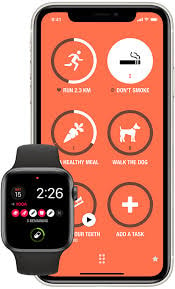
Streaks is a simple habit-tracking app that helps you build consistency by turning daily habits into streaks you don’t want to break.
Best For: People who respond well to visual momentum and want simple, daily accountability without complex setup.
How It Works: You choose up to a set number of daily habits and set targets (e.g., “drink 8 glasses of water,” “no sugar today,” “run 20 minutes”). Each day you mark habits as done or not done. The app tracks your streak and highlights missed days so you can keep your momentum going.
Key Differentiator: Streaks turns habits into momentum you can see. Watching a streak grow, and not wanting it to reset, becomes a psychological nudge that makes you more likely to follow through day after day.
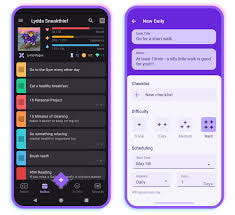
Habitica
Habitica is a gamified habit and task-tracking app that turns your real-life to-dos into RPG challenges with rewards, levels, and consequences.
Best For: People who love games and need fun, tangible motivation to build habits and complete daily tasks.
How It Works: You enter your habits, daily tasks, and to-dos into the app. Completing them earns you experience points, gold, and loot. Missing dailies costs you health. You can join parties, complete quests, and collaborate with others to defeat monsters by completing your real goals. The more consistent you are, the stronger your character gets.
Key Differentiator: Habitica turns productivity into a game with consequences and rewards. Instead of abstract checkboxes, habits become quests, progress gives you meaningful virtual rewards, and failure has real costs in the game world, making accountability playful rather than punitive.
Way of Life
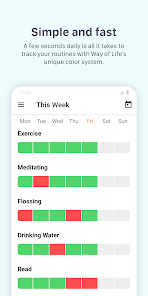
Way of Life is a habit-tracking app that makes it easy to track behaviors with simple daily check-ins and visual trends so you can see exactly how your habits evolve over time.
Best For: People who want clarity and insight into their habit patterns without complex setup or gamification.
How It Works: You pick the habits you want to build or break and log them each day with a simple yes/no or rating. The app automatically visualizes your progress with charts, color coding, and trend lines. You can add notes, reminders, and triggers to help you spot patterns and adjust your routines as needed.
Key Differentiator: Way of Life focuses on behavior patterns over time with clear visual feedback. Instead of just ticking boxes, you get insights into what’s helping or hindering your habits so you can tweak and improve your routines.
How To Choose a Good App for Accountability
Category | Name | Best For | Key Differentiator |
|---|---|---|---|
Human-Powered Accountability | People who ignore apps | Real human follow-up + proof required | |
Business and Team Accountability | Tability | OKRs, founders, structured goals | Weekly check-ins + measurable progress |
Asana | Teams, project workflows | Flexible views + collaboration + automation | |
Hardcore Distraction Blocking | Truple | Screentime monitoring | Random screenshots + partner visibility |
Opal | Mindful focus builders | Blocking + behavioral nudges | |
Fitness | Strava | Social runners & cyclists | Leaderboards + public workouts |
StepBet | Money-motivated walkers | Real cash at stake | |
MyFitnessPal | Calorie tracking, weight goals | Massive food database | |
Financial Discipline | YNAB | Budget control, impulse spenders | Assign every dollar in advance |
StickK | High-stakes goal setters | Money + referee + anti-charity | |
Beeminder | Data-driven goal nerds | Auto-penalties + progress line | |
Deep Work and Focus | Forest | Gamified focus lovers | Grow a tree or kill it |
Focusmate | Body doubling, task starters | Live coworking accountability | |
Freedom | Social media blockers | Cross-device hard blocks | |
Habit Tracking | Streaks | Streak-motivated users | Visual momentum tracking |
Habitica | Gamers | RPG-style rewards & penalties | |
Way of Life | Pattern analyzers | Trend charts + habit insights |
Final Thoughts
Most goals don’t fail because you lack ambition. They fail because you’re relying on motivation to do a system’s job. The right accountability tool changes that. Whether it’s quiet self-tracking, social visibility, money on the line, distraction blocking, or a real human checking in, structure makes follow-through easier than quitting. You don’t need more discipline. You need the right level of pressure for the goal you care about. Choose the tool that matches your weakness, and consistency stops feeling like a personality trait and starts feeling like a setup.