11 Best Workout Accountability Apps & Tools (2026)
Most fitness apps are easy to ignore. We tested 11 top options (like Strava, Noom, Boss as a Service) to find the ones that actually make you show up
A resolution to exercise and get or stay in shape is beyond a cliche at this point; we all know how those die an ignoble, silent death sometime in the middle of February every year. But hey, we still need to focus on our health. It's important, though it is so difficult.
The trouble, of course, is following through. Planning and talking about a fitness regime is easy, even exciting. All the research, the feeling that you're entering a new age of fitness. You imagine how ripped you'll be, how impressed everybody else will be.
Following through? Not so fun.
Mentally preparing yourself to go to the gym or begin your exercise is a difficult task. And even if you go ahead and get that gym membership, after a few days, monotony sets in. Your body is screaming for a few days off with pizza and no workouts. You feel less motivated to continue. What do you do now?
One piece of advice that fitness coaches and experts give people is to get a gym buddy or personal trainer to work out with you. And for some people, knowing that somebody's counting on you to show up is encouragement enough to keep going!
That's one kind of accountability, but for a lot of people, the "social" part of social fitness tends to take over the main goal, which is to exercise consistently. If you're one of these people, then you simply need to find another way to stay accountable to your fitness goals.
Why not try using a dedicated workout accountability app?
Best Workout Apps: A Quick View
Willpower Isn't Enough
How Accountability Apps Help
11 Best Accountability Apps
Top Apps for Human Accountability
Top Apps for Exercise
Top Apps for Weight Loss, Diet
Top Financial Accountability Apps
Choosing From Workout Accountability Apps
Workout Accountability FAQs
Final Thoughts
Best Workout Apps to Download Today
Quick View:
App Name | Best For | Price | Link |
|---|---|---|---|
Boss as a Service | Daily human accountability & staying consistent | ~$25/month (monthly subscription) | |
Peloton | Live classes, interactive coaching & structured workouts | $12.99–$24/month | |
Strava | Runners, cyclists & outdoor fitness tracking | Free; Premium $11.99/month or $79.99/year | |
MyFitnessPal | Nutrition tracking & weight loss | Free; Premium $19.99/month or $79.99/year | |
StickK | Financial accountability & commitment contracts | Free; optional fees |
Why Willpower Is Not Enough
Most workout plans don’t fail because we don’t want results. They fail because willpower is a terrible long-term strategy. Every day, you make hundreds of small decisions: what to eat, what to wear, what to focus on, what to postpone. By the time it’s “workout o’clock,” your brain is already tired. This is called decision fatigue, and it makes the easiest option (skipping the fitness routine) feel strangely logical. After a long day, the couch feels comforting. Starting tomorrow feels sensible. Rest feels like a reward you’ve earned.
Then the "bargaining" begins. You remind yourself that you walked a lot today. You ate a decent lunch. You even wear a fitness tracker that logs your heart rate and steps. Technically, you were active. So maybe you "don’t really need" a proper workout. Maybe today already counts. The logic may be sound for you at the moment, but it usually just protects you from doing the harder thing.
There’s also the simple fact that nothing bad happens right away when you start skipping workouts. No one calls you out. No money disappears from your bank account. No teammate is left waiting at the gym. The consequences are quiet and delayed, which makes them easy to ignore in the moment.
That’s why motivation alone rarely carries you through. It comes in bursts and disappears just as quickly. Accountability works differently. It adds structure to your routine and makes your commitments feel real, even on the days when you don’t feel like showing up.
Broadly speaking, workout accountability can be one of three forms:
Self-Tracking: Workout apps like Strava, Fitbit, or Apple Fitness rely on visibility and streaks. They work best if you’re already disciplined and motivated by data.
Social Pressure: Workout partners, group chats, or public commitments add gentle external pressure. You’re less likely to skip when someone else is expecting you to follow through.
Enforced Discipline: This is where services like Boss as a Service come in. There are real consequences, real follow-ups, and real humans involved. You don’t rely on “feeling motivated”—you rely on structure.
If you’re looking specifically for a human buddy, read our guide on How to Find an Accountability Partner.
How Workout Accountability Apps Help
While personal wearable devices like your Apple Watch already let you track your health data, here are some compelling reasons to use a workout accountability app. You can use them either as an alternative, or to supplement a wearable device.
A fitness tracker may not always be comfortable to wear, especially if you're attempting a high-energy workout or planning to sweat off the extra carbs in a sauna room. Personally, I like to keep aside all wearables while working out so nothing gets in the way or starts feeling itchy or constrictive. But no matter what, I am going to have my phone with me or nearby, so an app is a better option for me to track my fitness levels.
Plus, data collected by a wearable is best viewed in its paired-up app on your phone or PC (like Apple Health for iWatch users or Samsung Health for Android users). So isn't it just better to be able to have your fitness journey accessible at any time, so you can track progress?
Workout apps also come with multiple cool features -- workout videos, live classes, personal training, and new exercises to try out -- apart from tracking your body stats, weight loss, personal bests, and overall fitness progress. And, you can also set up the app to send you alerts and reminders so you stay motivated and don't slack off!
Best for Human Accountability (No Robots)
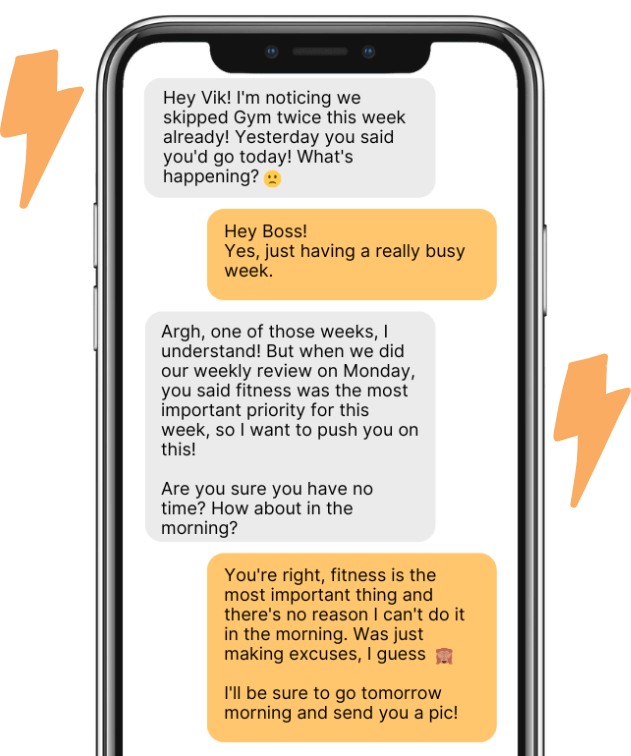
Boss as a Service: Best for Daily Human Accountability & Consistency
Specs:
List Price: Starts around $25/month for basic accountability coaching; higher tiers available; cancel anytime (monthly subscription)
Platforms: Online (no dedicated iOS/Android app; service delivered via messaging/email calls/text)
Pros:
✅ Bosses are human accountability coaches who check in daily to keep you committed to your fitness goals.
✅ Encouragement and pressure from a dedicated “Boss” helps you stay consistent with your workout routine.
✅ Works well for people who struggle with motivation, habit tracking, or sticking with fitness goals on their own.
Cons:
❌ Not a traditional fitness app with built-in workout videos, progress charts, or exercise logging tools.
❌ Requires ongoing monthly subscription and personal engagement with your Boss.
Best For: Anyone who needs a daily accountability buddy — especially if self-guided fitness apps or an accountability partner alone haven’t helped you stay committed to your workout journey.
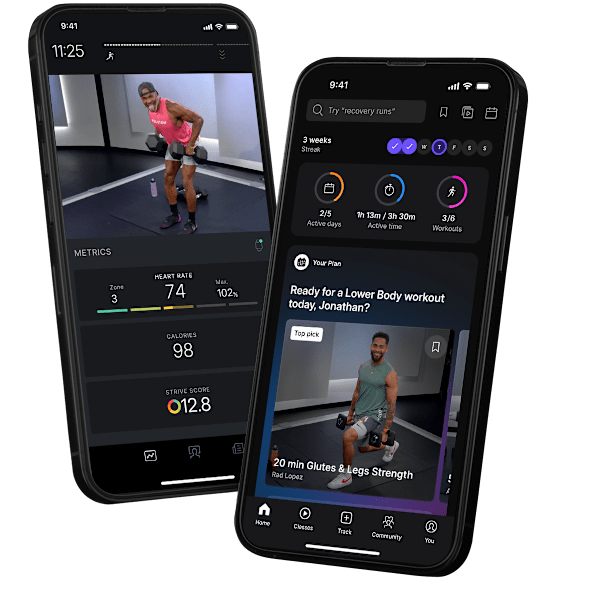
Peloton: Best for Live Classes, Interactive Coaching & Structured Workouts
Specs:
- List Price: Peloton App One ~$12.99/month; Peloton App+ ~$24/month (paid subscription; no equipment required for app)
- Platforms: iOS, Android, Web; works with Apple Watch and other wearable devices
- App Store Rating: ~4.9/5 (iOS), ~4.4/5 (Android)
Pros:
✅ Huge library of workout videos including cardio workouts, strength training, HIIT, yoga, and bodyweight workouts
✅ Live classes, real-time coaching, and strong community support help users stay consistent
✅ Structured workout plans, progress tracking, and fitness classes for all fitness levels
Cons:
❌ Fewer accountability features; you can sign up for classes, but someone may not always be checking if you attend
❌ Less effective without self-discipline to engage with live classes or schedules
❌ Monthly subscription is higher than most basic workout apps
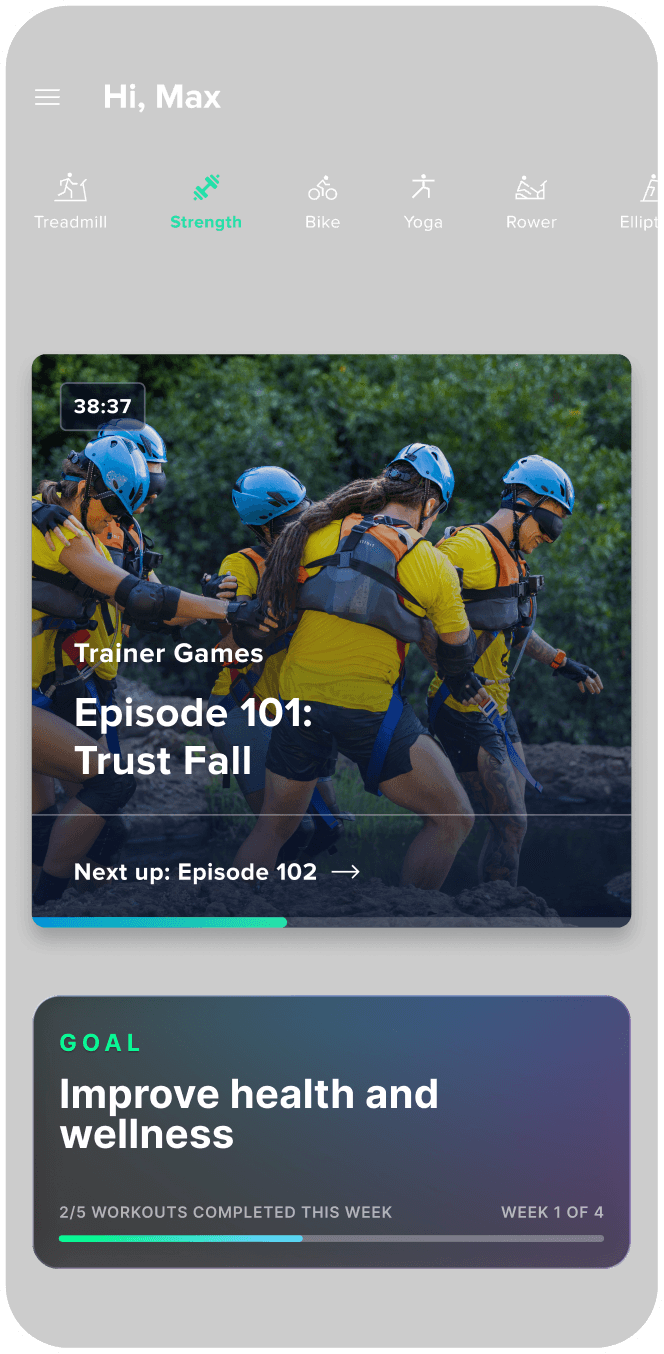
iFit: Best for Interactive Workouts & Equipment‑Connected Training
Specs:
List Price: Subscription plans ~ $15/month (Individual) or $39/month (Family/Pro) after a free trial; annual options available – prices vary by region and plan.
Platforms: iOS, Android, Web; integrates with Apple Watch, Google Fit, and compatible cardio/strength equipment.
App Store Rating: ~4.7/5 (iOS) (approximation from user reviews and aggregated data)
Pros:
✅ Huge library of guided workouts, including strength, cardio, HIIT, bodyweight workouts and yoga, led by expert trainers who help you set and achieve goals.
✅ Immersive interactive coaching that automatically adjusts equipment settings (incline, resistance) for connected machines.
✅ Syncs with popular wearable devices and fitness trackers for progress tracking and goal monitoring.
Cons:
❌ Most features require a paid subscription; limited functionality without one.
❌ Level of accountability may vary according to the subscription chosen.
❌ Some users report connectivity issues with equipment and customer service challenges.
Best for Running, Strength & Cardio
Strava: Best for Runners, Cyclists & Outdoor Fitness Tracking
Specs:
List Price: Free version available; Premium subscription ~ $11.99/month or ~$79.99/year
Platforms: iOS, Android, Web (syncs with Apple Watch, Garmin and other wearable devices)
App Store Rating: ~4.8/5 (iOS), ~4.4/5 (Android)
Pros:
✅ Strong community and social accountability features that help keep you motivated on your fitness journey
✅ Excellent GPS and activity tracking across runs, rides, hikes, and more
✅ Integrates with many wearable devices and fitness trackers (Apple Watch, Garmin, Fitbit, etc.)
Cons:
❌ Relies on self-discipline and peer accountability rather than on enforced discipline from experts
❌ Most advanced metrics and deeper analytics are behind the paid subscription
❌ Not ideal as a standalone training program app (limited guided workouts and strength training content)

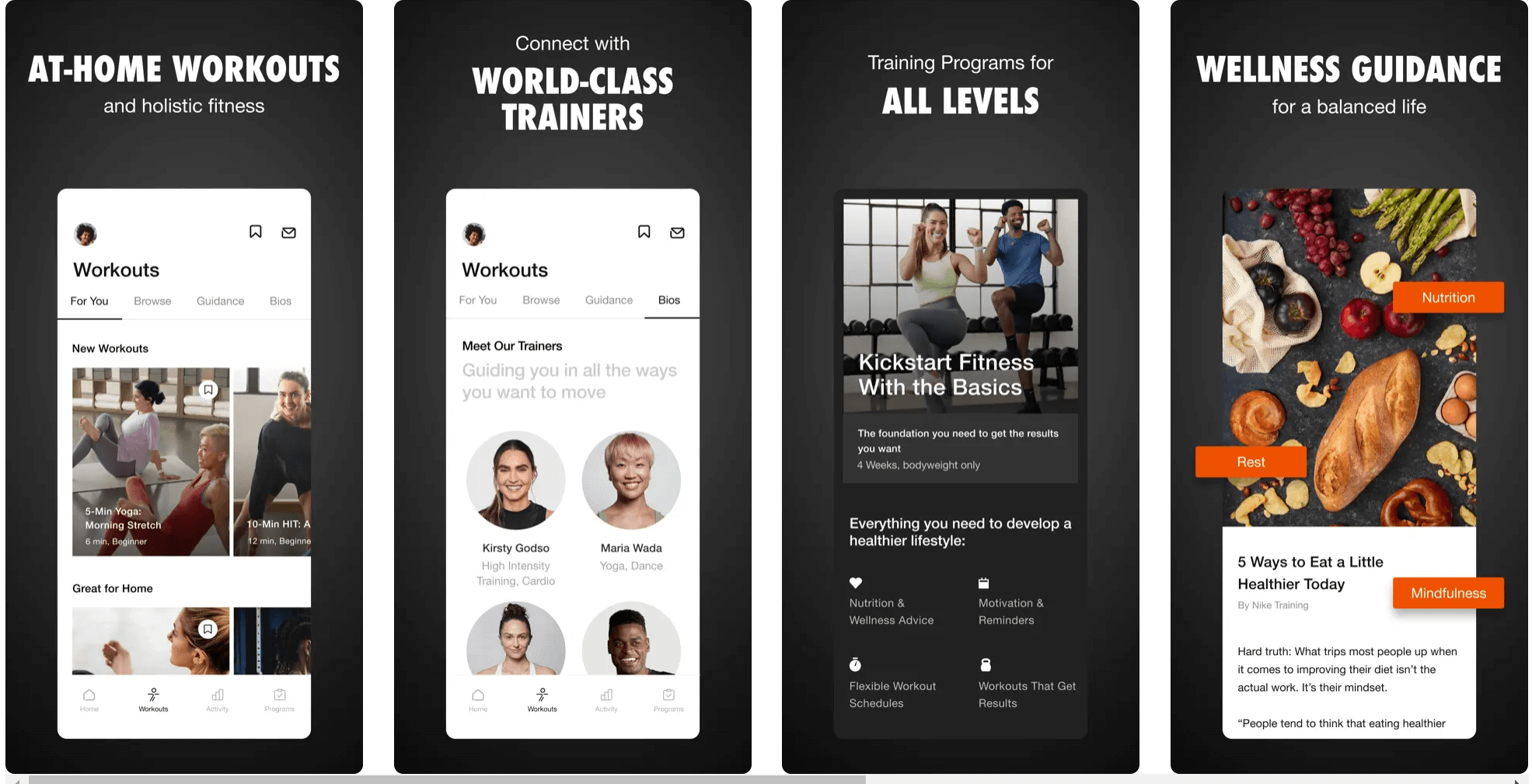
Nike Training Club: Best Free Guided Workouts & Training Programs
Specs:
List Price: Free version (no subscription required)
Platforms: iOS & Android
App Store Rating: ~4.8/5 (iOS), ~4.4/5 (Android) approx based on aggregated review scores
Pros:
✅ Completely free access to a vast library of guided workouts, from beginner strength training to HIIT and mobility routines.
✅ User-friendly interface and clear step-by-step workout videos guided by expert trainers help keep you consistent on your fitness journey.
✅ Works for all fitness levels and includes cardio workouts, bodyweight workouts, yoga, and more physical training categories.
Cons:
❌ Limited personalization, workouts are one-size-fits-all without adaptive training plans or detailed progress tracking.
❌ Lacks social features, live classes, and interactive coaching, so you won’t get accountability partner support directly in the app.
Caliber: Best for Strength Training, Personalized Coaching & Progress Tracking
Specs:
- List Price: Free version available; Caliber Plus ~$1,199/year or monthly in‑app purchases; Premium Coaching available with personalized training and 1‑on‑1 support (pricing varies)
- Platforms: iOS (iPhone only as of now)
- App Store Rating: ~4.9/5 (user reviews on App Store)
Pros:
✅ Combines personalized strength training, cardio workouts, and habit formation into structured training plans tailored to your goals
✅ Large exercise library (600+ exercises) with step‑by‑step instructions and workout logging to help track progress
✅ Optional premium coaching gives you access to an elite personal trainer for customized workouts, nutrition guidance, and weekly reviews
Cons:
❌ Primarily focused on strength training, with less emphasis on cardio classes or HIIT compared to some other workout apps
❌ Full coaching accountability access requires a higher subscription or coaching package, which can be pricey for some users

Centr: Best for Holistic Wellness
Specs:
List Price: Free trial available; subscription plans (monthly, quarterly, annual) from around $29.99/month with annual options significantly cheaper (~$119.99/year).
Platforms: iOS, Android, Web (works with Apple Watch and other wearables).
App Store Rating: ~4.7/5 (iOS) based on hundreds of thousands of reviews.
Pros:
✅ All‑in‑one fitness app combining strength training, cardio, yoga, mindfulness, and nutritious meal plans under one platform.
✅ Personalized plans and workouts tailored to your fitness goals and level, with programs for beginners through advanced.
✅ Wide variety of training styles, from HIIT, Pilates, bodyweight workouts to strength programs, to keep your workout journey fresh.
Cons:
❌ No interactive coaching or real‑time accountability. Workouts are self‑guided without live feedback.
❌ Subscription cost may feel high for users who only want basic workout tracking.

Best for Weight Loss & Diet
MyFitnessPal: Best for Nutrition Tracking & Weight Loss Accountability
Specs:
List Price: Free version available; Premium ~ $19.99/month or $79.99/year (paid subscription)
Platforms: iOS, Android, Web (syncs with Apple Watch and other wearable devices)
App Store Rating: ~4.7/5 (iOS), ~4.1/5 (Android)
Pros:
✅ Excellent at logging meals and tracking calories with a vast food database and barcode scanner
✅ Helps track progress toward weight loss and health goals with clear progress charts
✅ Includes healthy recipes, nutritional guidance, and basic habit tracking for food awareness
Cons:
❌ Fitness features are limited compared to dedicated workout apps or personal training apps
❌ No human-sriven accountability features
❌ Advanced insights and data tracking require a paid monthly or annual subscription
Noom: Best for Mindset, Behavior Change & Sustainable Weight Loss
Specs:
List Price: Free trial available; paid subscription typically $59/month, $159/6 months, or ~$199/year (pricing varies by plan)
Platforms: iOS, Android
App Store Rating: ~4.5/5 (iOS), ~4.2/5 (Android)
Pros:
✅ Strong focus on psychology and behavior change to support long-term weight loss and healthy habits
✅ Access to one-on-one coaching and group support for accountability and encouragement
✅ Daily lessons help users identify mental roadblocks and stay committed to health goals
Cons:
❌ Not a workout accountability app, so it has limited support for tracking workouts or exercise routines
❌ Higher price point compared to basic fitness or habit tracking apps

Best for "Money on the Line"
StickK: Best for Financial Accountability & Commitment Contracts
Specs:
List Price: Free to use; optional paid services and referee fees (no required subscription)
Platforms: Web, iOS, Android
App Store Rating: ~4.2/5 (iOS), ~4.0/5 (Android)
Pros:
✅ Uses commitment contracts and financial stakes to help users stay committed to fitness goals
✅ Allows you to set clear goals, track progress, and assign real consequences for skipping workouts
✅ Supports accountability partners (“referees”) who verify progress for added enforcement
Cons:
❌ No built-in workout plans, workout videos, or fitness classes
❌ Motivation relies heavily on loss aversion, which may feel stressful for some users

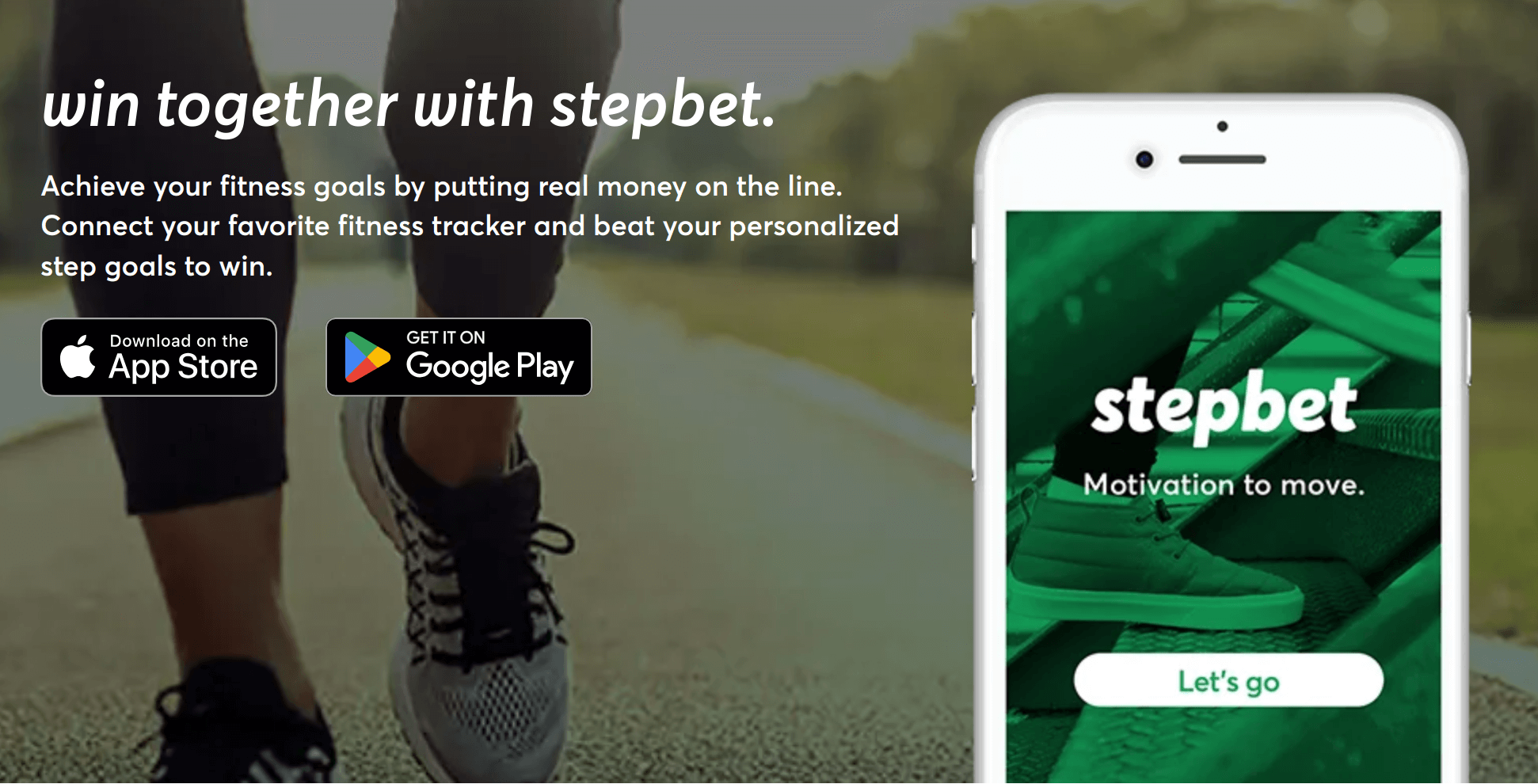
StepBet: Best for Fitness Motivation Through Financial Stakes & Step Challenges
Specs:
List Price: Typically $40–$100 per challenge (varies by game; pay-per-bet model)
Platforms: iOS & Android
App Store Rating: ~4.5/5 (iOS), ~4.4/5 (Android)
Pros:
✅ Financial accountability motivates users to stick to fitness goals (you win money if you meet your goals)
✅ Focuses on daily activity and habit tracking, especially steps and movement milestones
✅ Community support through group challenges helps keep you consistent
Cons:
❌ Limited to step-based goals and general activity; not ideal for structured workout routines like strength training or HIIT
❌ Price per challenge can add up if you participate regularly
How to choose the best fitness app to keep you accountable
These are just some of the fitness apps available out there. And choosing the best overall fitness app for you can be a little confusing. But just keep some things in mind:
Does the pricing work?
Some fitness apps don't unlock all their features in the free version, and so you may need to look into buying the pro version for full access or take up a monthly or annual subscription. Make sure the fee works for you!
Is it compatible with your goals?
If you're looking for an app that provides personal training features but what you get is a guide to basic workouts, you're probably not going to keep using it. So before committing (and paying), make sure the features give you what you want.
Speaking of features, make sure they're all to your liking! The workout accountability app you finally pick should have a simple interface and should allow you to see your fitness data in a way you understand.
Is it actually keeping you motivated and accountable?
Having a cool app is fun for a few days, but it actually has to make you work out. Make sure the app always continues to spark joy and keep you focused on meeting your exercise goals.
Got Questions? We've Got Answers
Do these apps actually work?
Yes—workout accountability apps do work, but only when they include real consequences and structure. Simply using a habit tracking or personal training app to track progress isn’t enough for most people. Progress charts, Apple Watch integration, and reminders help, but consistency usually improves when there’s social support, follow-ups, or an accountability partner involved. Apps that combine cardio workouts, bodyweight workouts, or high intensity interval training with external accountability are far more effective for helping users stay consistent throughout their workout journey.
Free vs. Paid Apps: Which is Better?
Free apps are great for logging workouts, tracking steps, and exploring basic fitness classes. Many of the best workout apps allow you to schedule workouts, visualize progress charts, and sync with wearables. Paid apps, however, often add interactive coaching, advanced habit tracking, and access to a certified personal trainer. If your goal is long-term progress rather than short-term motivation, paid tools with accountability features tend to deliver better results.
App vs. Accountability Partner: What’s Better?
A workout app is excellent for structure—logging workouts, tracking progress, and organizing your training plan. But an accountability partner adds something apps can’t replicate: human pressure. One on one coaching, check-ins, and real conversations dramatically increase follow-through. Many people find the best solution is a hybrid approach: using a personal training app alongside an accountability partner or good personal trainer for reinforcement.
Final Thoughts
Workout accountability apps can be helpful—but only if they create real follow-through. Tracking workouts, watching progress charts, and joining challenges are useful, but they don’t always solve the consistency problem. If you’re already disciplined, the right fitness app may be enough. If you’ve tried multiple apps and still fall off your workout routine, stronger accountability matters. That’s where human check-ins, clear expectations, and real consequences make the difference.
The best setup is the one that actually makes you show up. Whether that’s an app, a workout partner, or a dedicated accountability service, consistency—not motivation—is what drives lasting fitness progress.