Top Food Accountability App Choices & The Missing Link (Human Accountability)
Apps track calories, but they don't stop you from eating them. Here are the best trackers (Cronometer, Ate) and the one tool that makes you stick to them.
A confession: sugar is my weakness. Put anything sweet in front of me, and I’m never going to say no to trying it. And, if I like it, any diet or calorie-counting plan I may have set for myself is going to go out the window -- for the umpteenth time.
Food goals are undoubtedly the hardest to follow through on – after all, we live in a world full of delicious temptations. Even if you find the courage to say, “I’m going to start eating healthier”, it can be hard to stick to this commitment for as long as you hope.
But then again, there’s a reason we set such goals – for our good health and well-being. So the next time you decide to try a new diet or watch what you eat for a while, you may want to get some extra support with food accountability apps to make sure you actually stick to healthy eating habits.
With so many apps available, it’s important to choose the right app for your needs -- one that offers the features and integrations that support your long-term health goals. Many apps now come equipped with large food databases, easy logging, and integration with other health metrics, making it easier than ever to stay on track. Most also integrate with fitness devices such as Apple Health and the Fitbit app, providing a comprehensive approach to your health journey.
But at the same time, most food tracking apps aren’t enough by themselves. If you really want to stay consistent, you need more than just a tracker. You need a stack: an app to log your meals, and a real person, like an accountability coach or partner, to make sure you are setting proper food goals and sticking to them. When someone else is paying attention, you tend to pay attention too.
So read on for the best food tracking apps and the one tool that makes you stick to them – human accountability.
Food Apps Are Good Trackers, But Not Bosses
Best Food Tracking Apps (+BaaS Use)
Best Apps for Data
Best Apps for Visual Eaters
Best Apps for Behavioral Changes
Best Apps for Simple Logs
Best Apps for Personalized Insights
Go Stronger on Food Goals with BaaS
Creating Food Goals
Final Thoughts
The Problem With Food Trackers: Apps Are Calculators, Not Bosses
If you Google "best diet and weight loss apps", you'll probably find MyFitnessPal in the top results. And indeed, it's a great app that adds up your calories, tracks your macros, and presents everything in clean charts. But, ultimately, it's just a smart calculator that does not care if you lie to it.
It will not question the handful of chips you forgot to log or the dessert you rounded down to “small.” The numbers look accurate because you entered them. Accuracy and honesty are not the same thing.
I once went three weeks convinced I was in a calorie deficit. My log said so. Then I looked closer. The “small candies” were missing. The weekend meals were only estimates, and the weekday snacks were missing because of selective tracking. The app did exactly what it was designed to do. I was the weak link in the system.
That is why you need a stack: an app to log, and a boss to verify. Boss as a Service turns food tracking from a private diary into a visible commitment. When you sign up and meet your Boss, you both decide on a diet plan together. When you start sending updates and proofs, human eyes scrutinize everything -- from meal times to portion sizes to how many calories you're actually consuming. While the app records everything you have (or have not) eaten, the boss makes sure you're being honest with yourself.
Sounds great in theory, but how do you put it in practice? Let's dive deep into some of the best food tracking apps and how Boss as a Service enhances the experience of using them
The Best Food Tracking Apps, With BaaS Integration
Category 1: the Macro Nerds (Best for Data)
MyFitnessPal
MyFitnessPal is the all-rounder health app, whether you need access to a large food database, want to calculate how many calories you can allow yourself a day, or simply want to maintain a log of your daily meals, the app has all the features you can think of. It includes a barcode scanner for quick and accurate input of packaged food data, making it easy to verify nutritional information and log your dietary intake. Wearable syncing ensures daily calorie budgets account for actual energy expenditure. It also has a huge library of food-related articles and content so you can educate yourself on the best practices to try.
The app is not just good for food, but also your other fitness and weight loss goals – try it if you want the complete experience?
Cronometer
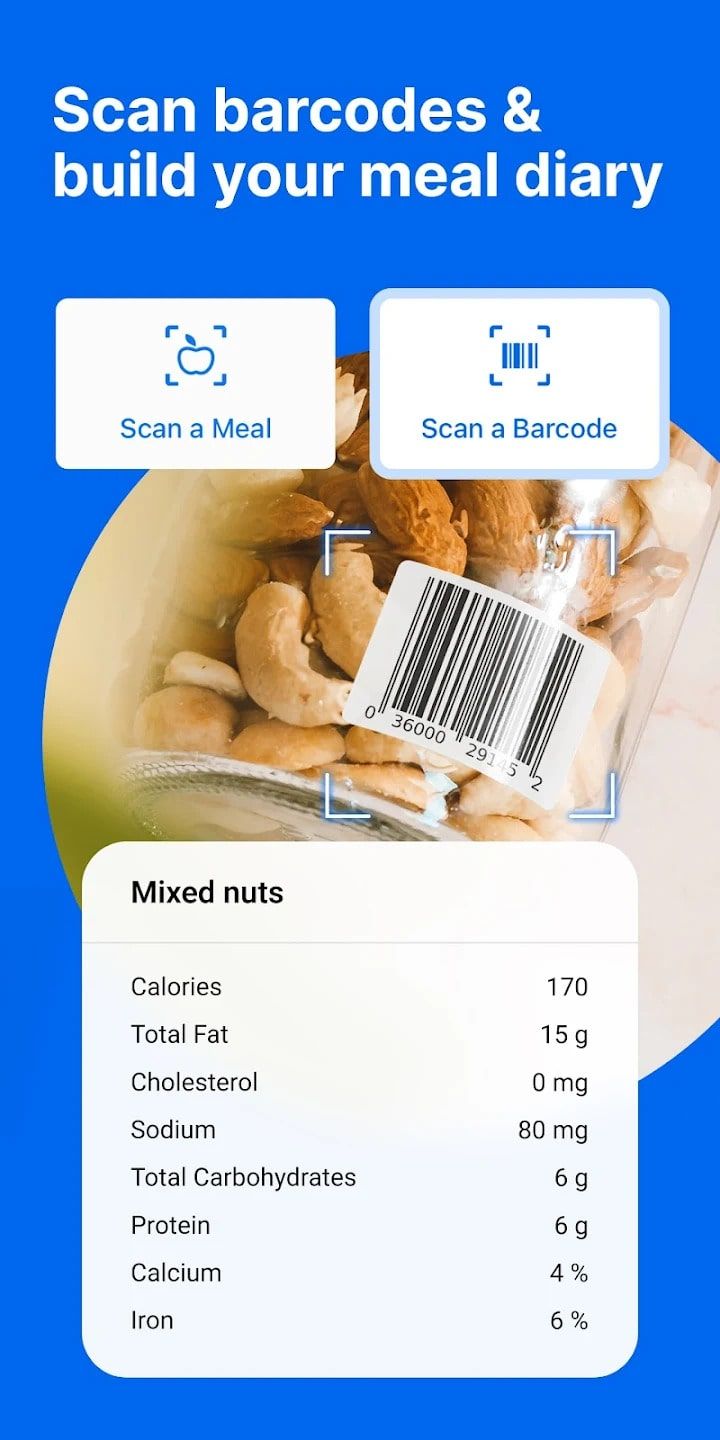
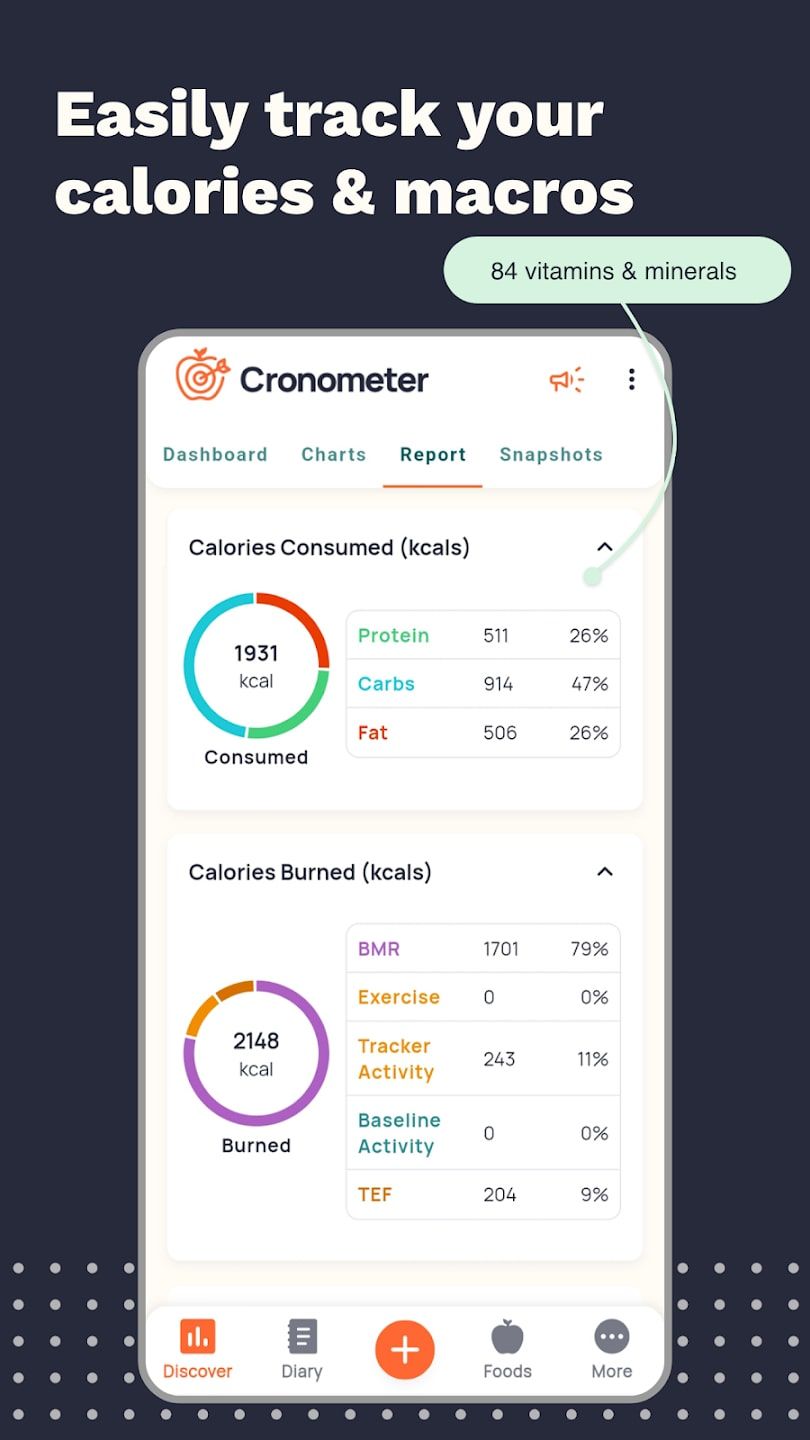
Cronometer does one thing, but it does it really well. Cronometer is for those users who are serious about tracking calories -- it has an extensive food database, easy-to-use interface, and barcode scanning, so you can make a note of everything you buy to eat. You can also customize your food goals on the app, for a more personalized experience.
Verdict
If you enjoy tracking data and seeing your progress mapped out in numbers, both apps do their job well. MyFitnessPal offers breadth. You can log meals quickly, scan barcodes, read up on nutrition, and track multiple health goals in one place. Cronometer offers depth. It is built for precision, making it appealing if you care about exact calorie counts and specific macro targets.
But if you tend to overthink or feel pressured by hitting exact numbers, the same features in the app's database can start to feel overwhelming. Logging every ingredient and adjusting portions daily requires focus and consistency.
BaaS Integration
If you want someone to check whether you are actually hitting your protein targets, not just aiming for them, this is where Boss as a Service comes in. Instead of guessing whether your numbers are “close enough,” you have oversight. Your logs get reviewed, gaps pointed out, and adjustments enforced.
Use these apps with BaaS if you want us to check your specific protein targets and hold you accountable to them.
Category 2: The "Visual Eaters" (Best for ADHD and Speed)
Ate Food Journal
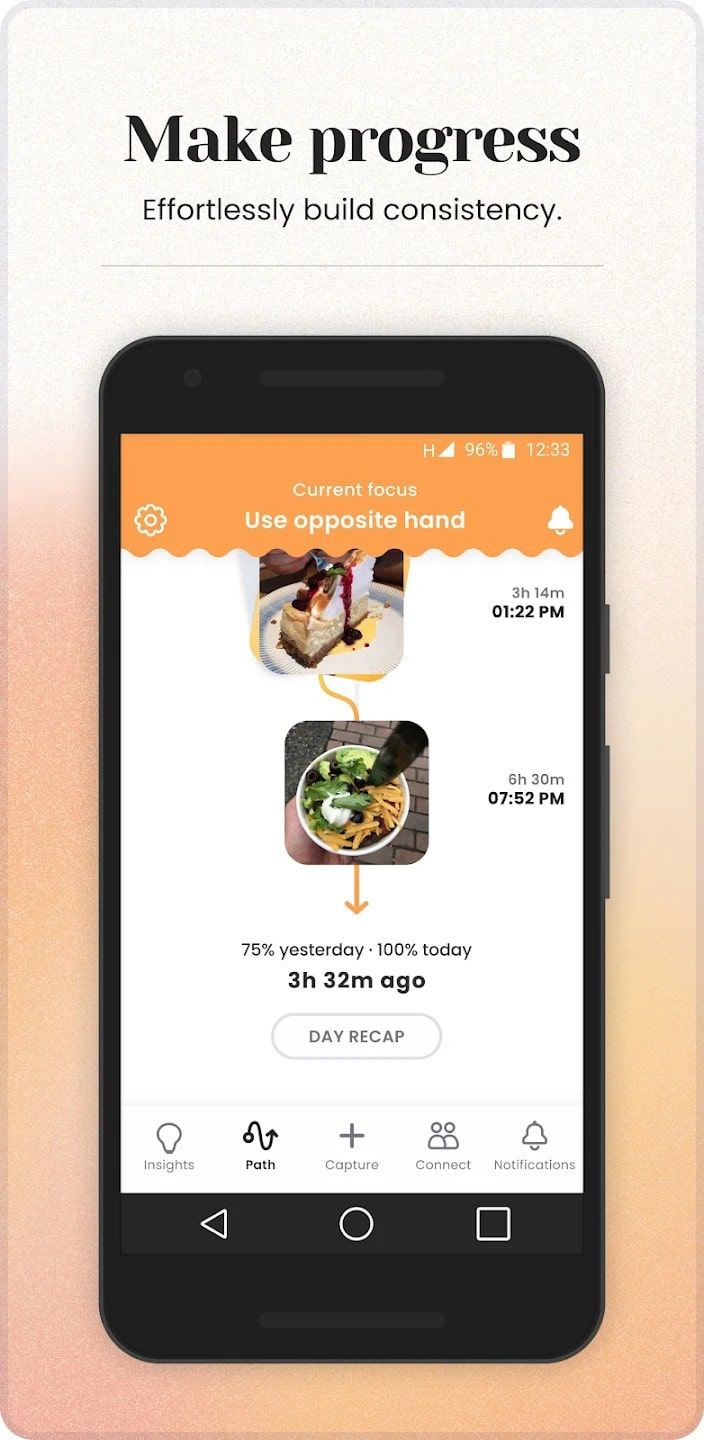
Ate Food Journal is for those love philosophy in all aspects of life, including their eating habits. Instead of tracking your food and calories, you track what you ate and how it made you feel. For example – you had a bagel. You put a picture of it on the app and write whether it was “on” or “off” path for your diet, why you wanted to eat it, and how it helped you better understand your diet. Using a food diary like Ate can help you track nutrition and calorie intake more accurately and consistently, supporting your health goals.
It’s great for those who have lots of food allergies, for example, and are often limited by dietary restrictions, because they can make a note of discovering foods they can enjoy while staying healthy!
Verdict
Ate Food Journal removes the pressure of hitting exact numbers and replaces it with awareness. As you add photos of your meals and note how they made you feel, patterns emerge. You start to see whether you eat out of hunger, stress, boredom, or habit.
You do not need to weigh ingredients or calculate portions. You only need a few seconds and a bit of honesty. This makes it easier to stay consistent, especially if detailed tracking has felt overwhelming in the past.
BaaS Integration
This is the BaaS favorite: Snap the photo, send it to your Boss. Two seconds, zero friction.
Because the entry itself is so quick, there is little room for excuses. Your Boss sees what you ate in real time, not a polished summary at the end of the day. That visibility changes behavior. The app creates awareness. BaaS turns that awareness into accountability.
Category 3: The Behavior Changers (Best for Psychology)
Noom
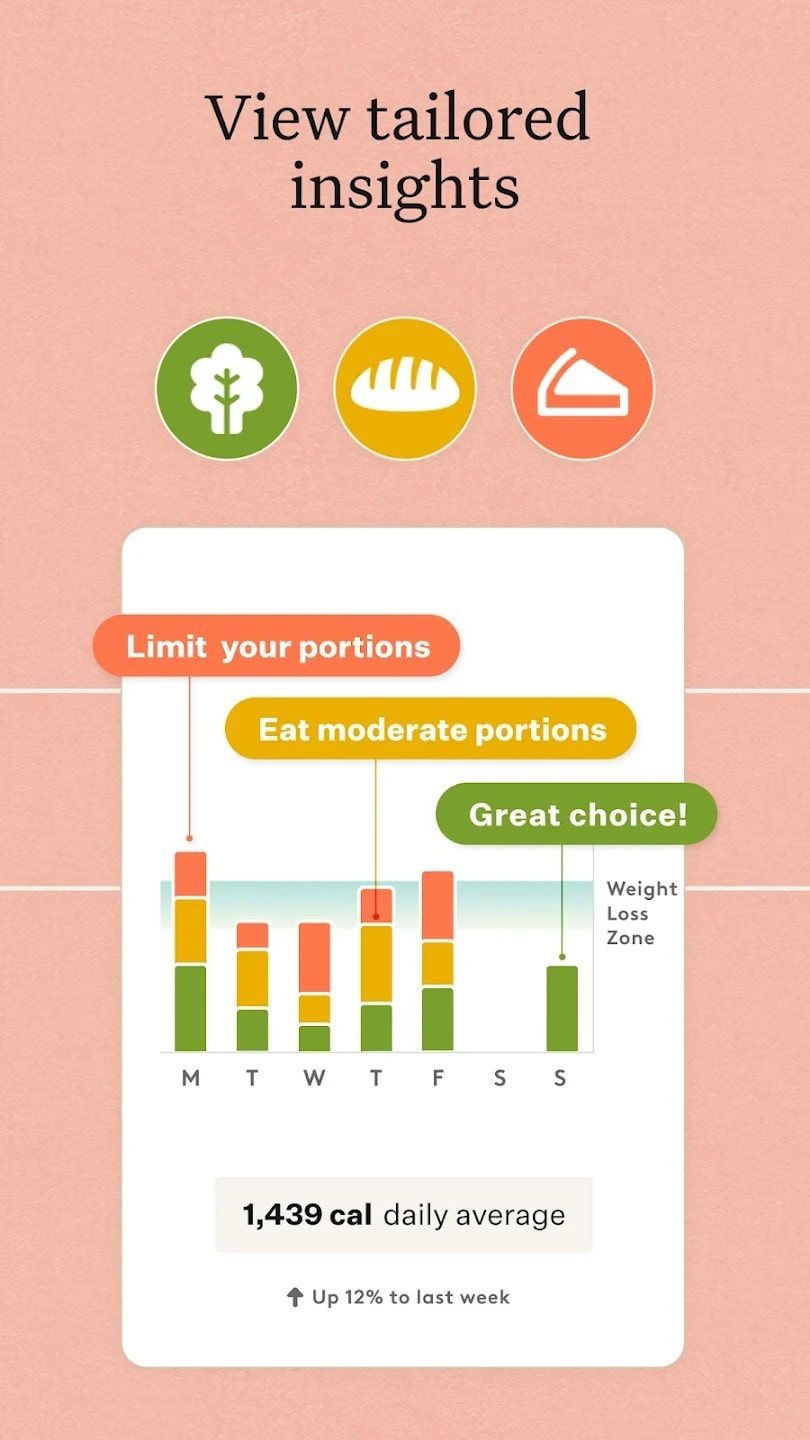
Noom is for people who want strict accountability for their weight loss and wellness goals -- not only does it give you a nutrition tracker and personalize your diet plan, but it also works on a "stoplight" system -- encouraging you to eat more "green" foods and snacks that are good for health and lower in calories. It also matches you with a diet coach, if you need that.
WW
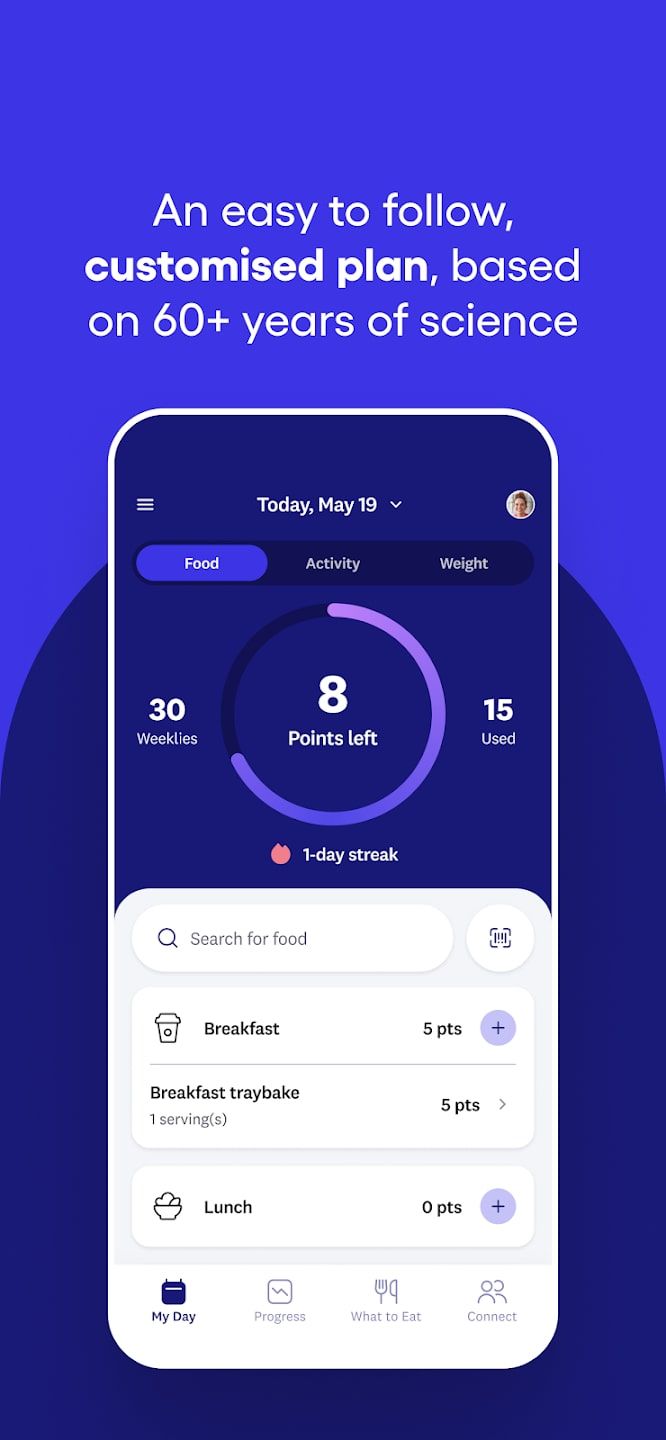
WeightWatchers, simply called WW, is an old, beloved community -- and the app has a new look. It’s replaced the decades-old “points” system for your meals with a more sophisticated and modern one, with a personalized program that simply encourages eating healthier foods. WW supports users throughout their weight loss journey with community and coaching, providing guidance and motivation every step of the way. For those who resented the effort of driving up to your weekly Weight Watchers meeting, you can now join your community online and even seek access to personal health and diet coaches.
Verdict
Noom does a solid job of guiding behavior with its stoplight system and habit-based lessons. WW offers community, coaching access, and a program that adapts to you. Both understand that weight loss is not just about calories, but about patterns. Importantly, both Noom and WW help users make better food choices as part of their overall approach to health.
But here is the limitation: Noom is still automated and WW is voluntary. Noom’s coach operates within a scripted system. WW relies on you choosing to show up. If you ignore the app for a few days, skip a meeting, or stop logging, there are no real consequences. The structure is there, but participation is optional.
BaaS Integration
Noom’s “coach” follows a framework, and WW meetings can be muted or skipped. Your Boss is a real human reviewing your behavior consistently.
If you do not log dinner, your Boss will message you. If your food quality drops for a week, someone will ask about it directly. You cannot swipe that away. The accountability is personal, specific, and difficult to ignore.
Category 4: The Plain and Simple (Best for logging)
Lose It!
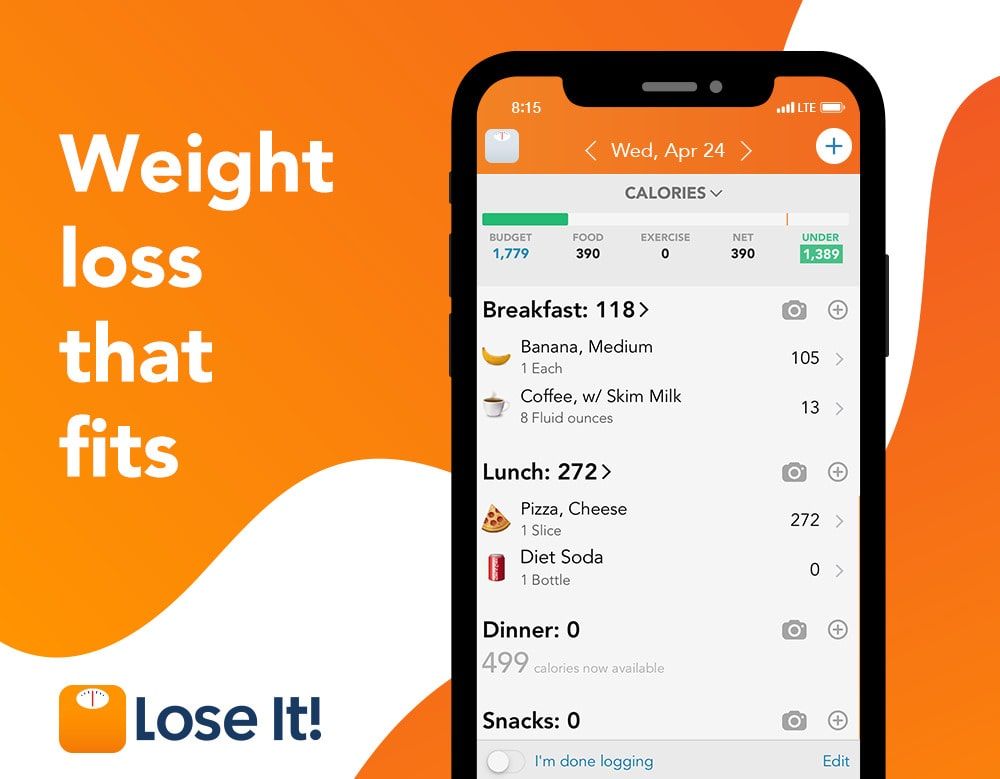
Lose It! is for the beginner healthy foodies – those who are just starting to watch what they eat and want a simple, fuss-free way to track their calories, food intake, as well as exercise and fitness. Lose It! offers a free version that provides core functionalities like food and activity tracking and barcode scanning, but some features may be limited compared to the paid version. You can even link it up with other workout apps you may be using with friends. It also has the cooler features of other apps like a food database and barcode scanning, as well as access to a wider community for more support and peer accountability.
MyNet Diary
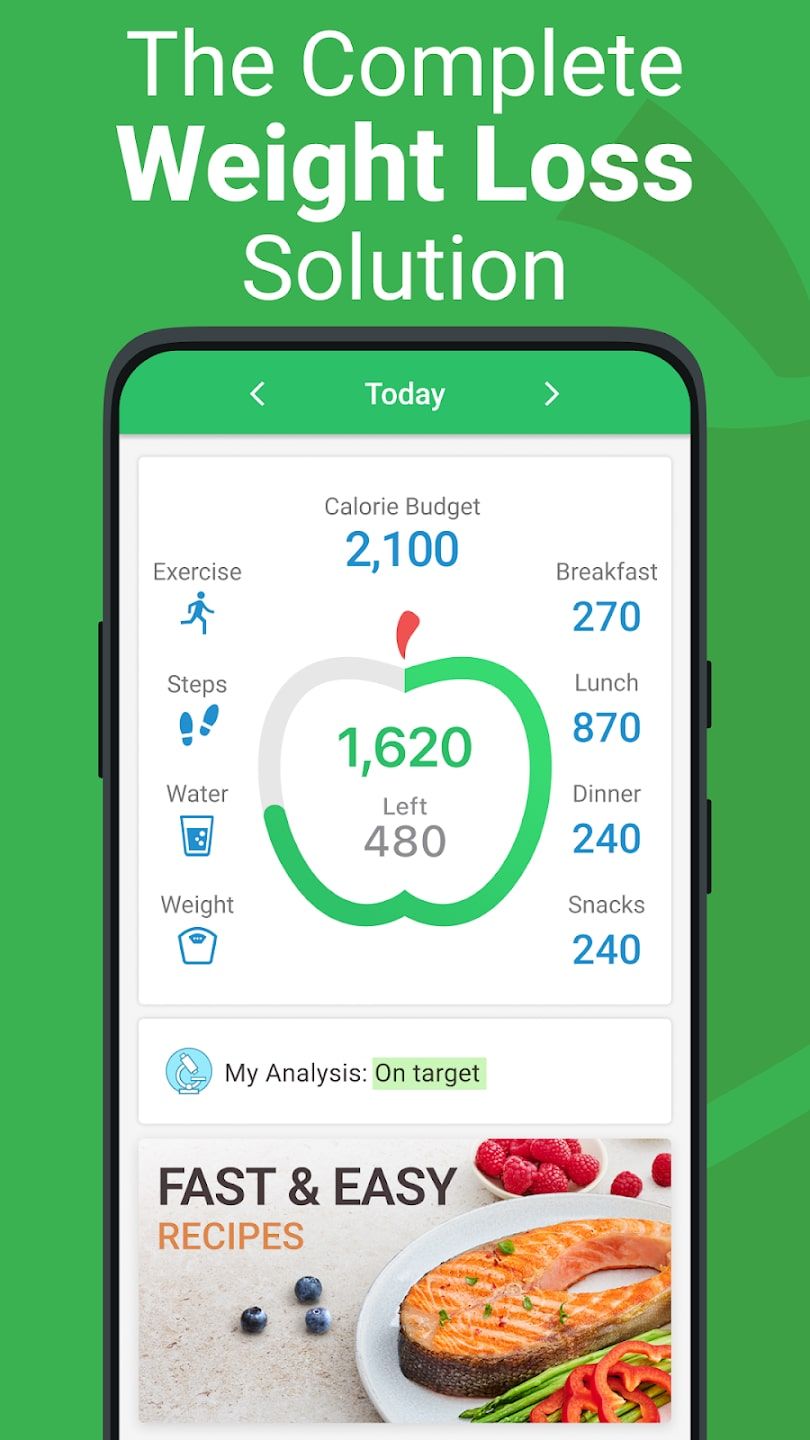
MyNet Diary Calorie Counter is great for people who don’t have a lot of spare time, even for their meals. Set a simple goal, add your meal, and the app will help you track the macronutrients and calories you’ve consumed each time. As a comprehensive calorie tracker, it helps users monitor their intake and progress in real life by providing an all-in-one solution. You can also opt for detailed daily analysis to really drill down on your ideal food plan.
Verdict
Lose It! and MyNet Diary both lean into simplicity. They are built for people who want to start tracking without feeling buried under dashboards and detailed breakdowns. You set a goal, log your meals, scan a barcode if needed, and move on with your day. Users can also upgrade to a premium version for access to more advanced features and personalized plans.
For beginners, that matters. Sometimes simple is all you need, especially if you get overwhelmed with data and trackers. But you have to ask yourself whether it is too simple to create real change. If logging becomes a passive habit with no reflection or review, it can turn into background noise instead of a driver of progress.
BaaS Integration
These apps make logging easy. Boss as a Service makes the logging matter. When your entries are reviewed by a real person, even a simple calorie log carries weight. And when things may be moving too simply or too slowly, you know your Boss will be prepared to make you ramp up things.
Category 5: The Personal Touch (Best for Customization)
Lifesum
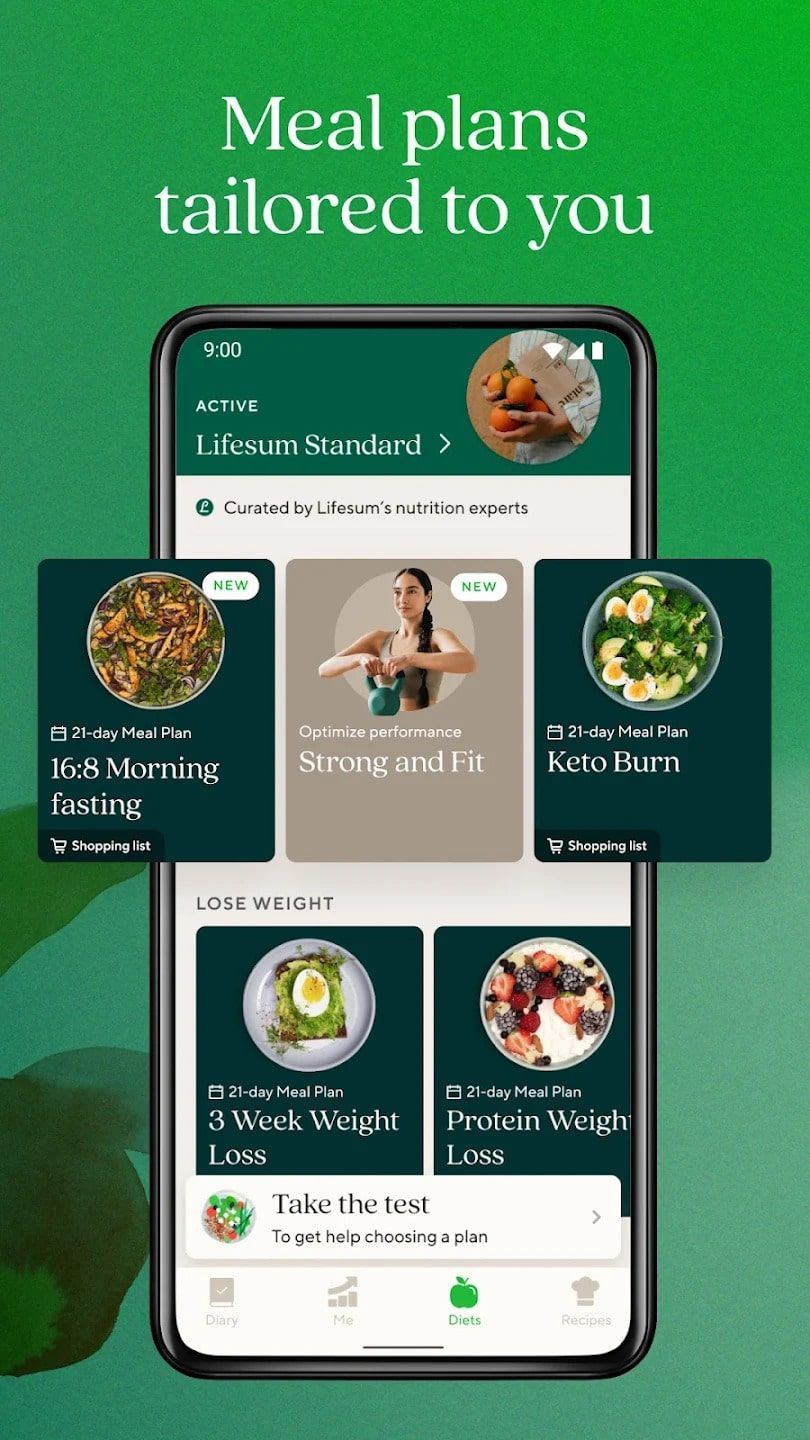
Lifesum has three distinct features -- a food log, calorie counter, and a recipe library. The app is all about personalization: when you sign up, it takes your height, weight, and age to help you design an ideal diet. Lifesum helps users monitor their dietary intake to achieve their personalized nutrition goals. Then the app shares appropriate recipes and track your meals. It also has a weekly health test, which tracks your body composition and habits and helps you understand which areas need improvement.
Simple
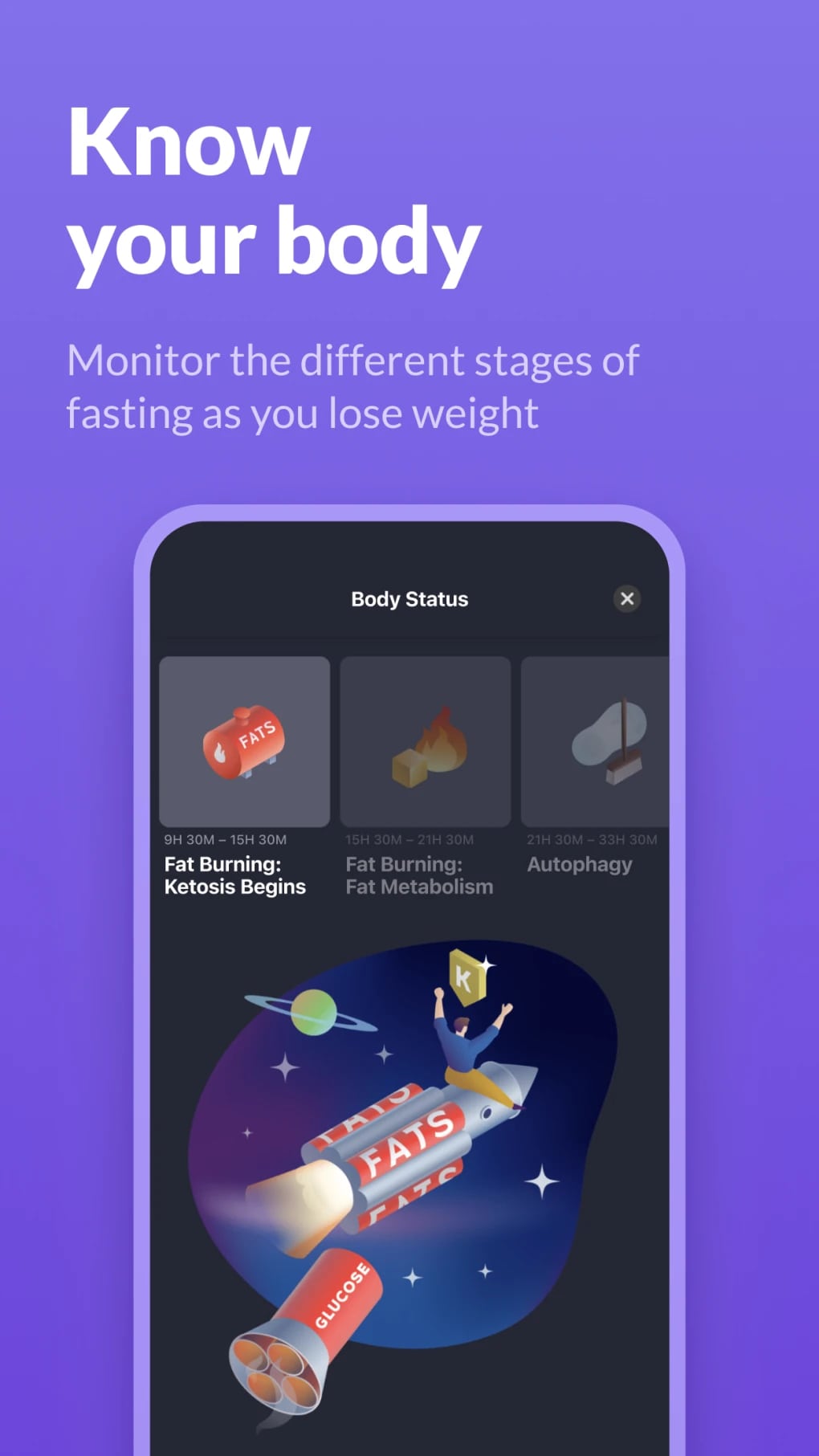
Simple is an especially great food-tracking app for people who need an intermittent fasting tracker. It helps you decide your ideal fasting-eating ratio – even beyond the standard 16-8 period (fasting for 16 hours and eating during the next 8-hour period). The app also helps users optimize their meal timing for better metabolic health by tracking when you eat and providing insights to align your eating schedule with your goals. The app also has all the features that you want for food tracking anyway – tracking the nutritional breakdown of your food items, community support, and education on mindful eating. It even gives you a personalized AI health coach at your fingertips!
Spokin
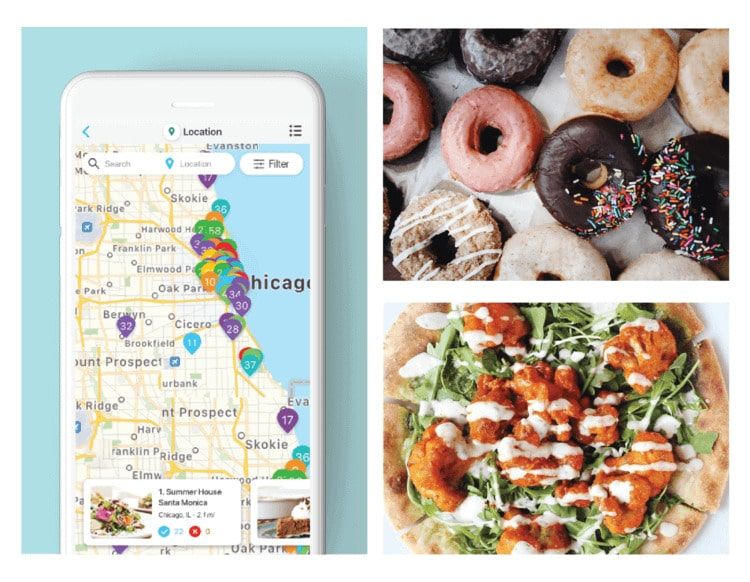
Spokin is for families who struggle with a lot of food allergies -- it allows you to enter specific food items you need to avoid so you can gain access to a diet plan and recipes better catered to what you can actually eat. The app helps users track and avoid certain foods that may trigger allergies, making it easier to manage dietary restrictions. It even has a guide of allergen-friendly restaurants and packaged foods so you do not need to worry too much when you want to have a meal out.
Verdict
Lifesum focuses on personalization. It gathers your data upfront, suggests meal plans, and even runs weekly health assessments to keep you aware of trends. Simple centers on intermittent fasting, helping you structure eating windows while still tracking nutrition. Spokin narrows its lens even further, supporting families managing food allergies with tailored recipes and restaurant guides.
Each app solves a particular problem well. If you know exactly what you need, whether that is structured meal planning, fasting guidance, or allergy-safe options, these tools reduce guesswork. The limitation is scope: The apps guide you within their system, but do not ensure you follow through outside it.
BaaS Integration
When you combine one of these apps with BaaS, the specialization becomes consistent and actionable.
Using Lifesum? Your Boss can review whether you are actually following the suggested plan or just browsing recipes.
Using Simple? Fasting windows can be checked against your real meal logs, not just your timer. If you consistently break your fast early, the Boss calls you out.
Using Spokin? Your Boss can help you plan for social events or eating out, making sure your allergy-safe intentions match your actual choices.
The "Nuclear Option": Boss as a Service
Most people do not fail because they picked the wrong platform. They fail because they stop using it. You can switch from MyFitnessPal to Noom to Lose It! and still end up in the same place if you abandon the habit after two weeks. The interface might change. The reminders might look different. Your behavior often does not.
Consistently taking the time to track food is crucial for identifying eating patterns, improving health outcomes, and making lasting changes. It is easy to blame the tool: The dashboard was too complicated; the tracking took too long; the coaching felt impersonal. Sometimes those things are true. More often, the issue is simpler. No one noticed when you stopped logging. No one followed up when you skipped dinner entries. No one asked why the weekend looked different from the weekday.
Keep your favorite app. Use the one you actually like opening. Then hire a Boss to make sure you open it.
How To Create your Ideal Food Goals
So now you’ve figured out how to track your food: with an app and BaaS, or just BaaS. But you still have to set the goals. Setting clear weight goals can help guide your food choices and tracking efforts, making it easier to stay accountable and focused on your personalized health objectives. So, here are a few tips on setting good food goals that will be easy to stick to:
Focus on the Good, not the Bad
When we try to make a goal about cutting down on something, it suddenly becomes all we can think about! So, instead of cutting down all your favorite food and going cold turkey, focus on increasing one food group (the healthy one!) in the place of the other, and let the balance come in more naturally. For example, focusing on upping your protein and fat intake instead of lowering sweets is likely to work better than just saying, “No more dessert”! Increasing your fiber intake is another effective way to improve your diet and support gut health.
Integrate it With Exercise
A healthy diet is a good goal in itself, but if you have an ideal outcome in mind -- better stamina, lower weight -- adding a workout or two to your routine will help. Tracking your physical activity with fitness trackers can provide a more complete picture of your health, especially when integrated with your food accountability app. It will also give you a more well-rounded visual of your health so you can focus on improving it holistically.
Be Realistic -- and Kind to Yourself!
People struggle with food for many reasons, so don’t set a goal you cannot realistically meet at the moment. Setting achievable goals can support long-term metabolic health. Aiming for and gaining small victories will eventually get you to where you want to go. Take it one step at a time.
Also, if you have an off day or miss a part of your goal, don’t beat yourself up! Failures are events to learn from, so focus on the lesson rather than punishing yourself.
Final Thoughts
Food goals are hard -- try a food accountability app to help you track detailed nutrition information, monitor calorie consumption, set and achieve calorie goals, and support health objectives like lose weight, gain weight, or muscle gain. Use Boss as a Service to make sure you do not give up or delete the app when you’re bored or discouraged.
Looking for more tips on healthy eating? Check out these articles!